Japanese New Year 2027: Dates, Traditions, and When to Visit a Shrine
Ця стаття ще недоступна мовою: українська. Ви читаєте версію мовою: англійська.
Japanese New Year 2027 falls on Friday, January 1. Learn how the holiday break works, what New Year foods and decorations mean, and when to make your first shrine or temple visit.
Japanese New Year 2027 falls on Friday, January 1. New Year’s Day, called Ganjitsu in Japan, has a fixed date: January 1 every year, regardless of the day of the week.
That single day is different from the longer New Year season, which includes sanganichi and matsu no uchi. Hatsumōde, your first shrine or temple visit of the year, isn’t limited to New Year’s Day either.
Why does Japan celebrate New Year’s Day on January 1?
Japan hasn’t always celebrated the New Year on the same calendar date it uses today. Before the Meiji era, the date followed a lunisolar calendar. The last lunisolar calendar used in Japan was the Tenpō calendar.
Japan adopted the Gregorian calendar in 1873, five years after the Meiji Restoration. That change established January 1 as the date for celebrating the New Year in both public and cultural life.
The first day of the first month on the old calendar is called Kyūshōgatsu, or Old New Year. Some communities in Japan still celebrate it, including parts of Okinawa Prefecture and the Amami Islands in Kagoshima Prefecture.
How much of Japanese New Year 2027 is a public holiday?
January 1 is the national holiday; sanganichi, January 1–3, is not a three-day national holiday. January 1 also appears as New Year’s Day on Japan’s 2027 national holiday calendar. Article 2 of the Act on National Holidays sets the holiday’s name, date, and purpose, celebrating the beginning of the year. Article 3 makes national holidays days off. January 2 and 3 are not designated national holidays as part of sanganichi.
Administrative agencies follow a separate law. The Act on Holidays of Administrative Organs designates December 29 through January 3 as holidays for those agencies.
What do Ganjitsu, sanganichi, and Shōgatsu mean?
Ganjitsu means New Year’s Day, January 1. Sanganichi means the three days from January 1 through January 3. Ganjitsu is the first day of that period, not another name for all three days.
Shōgatsu has a broader meaning. Culturally, it refers to celebrations marking the safe completion of the old year and the arrival of the new one. Today, people also use it to mean sanganichi or matsu no uchi. If someone says they’re visiting a shrine “during Shōgatsu,” they don’t necessarily mean January 1.
January 15 is known as Koshōgatsu, or Little New Year. In contrast, January 1–7 is called Ōshōgatsu, or Great New Year.
January 20 is sometimes called Hatsuka Shōgatsu. In some regions, January 30 is called Misoka Shōgatsu. On the morning of Little New Year, there is a custom of eating azuki bean porridge, which is believed to ward off evil influences.
Japan New Year traditions: What do the decorations mean?
Shōgatsu is a celebration that welcomes Toshigami, the deity of the new year, into the home. Kadomatsu, shimekazari, and kagami mochi are all part of that welcome.
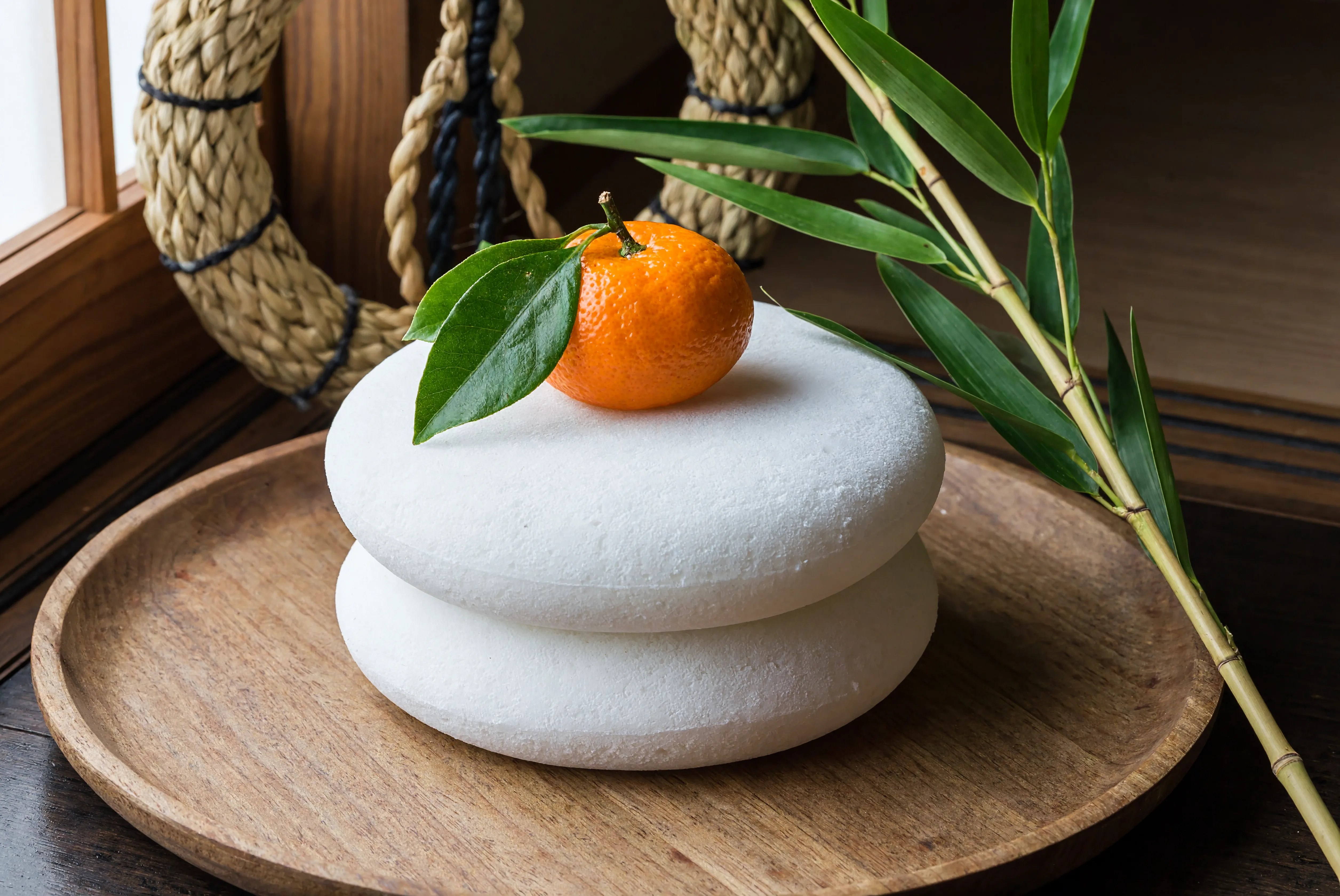
Kadomatsu and shimekazari are displayed at entrances, while kagami mochi is set out as an offering. One form of kagami mochi consists of two round rice cakes stacked with a daidai, a bitter orange, on top. The rice cakes are an offering to Toshigami, not merely a decoration.
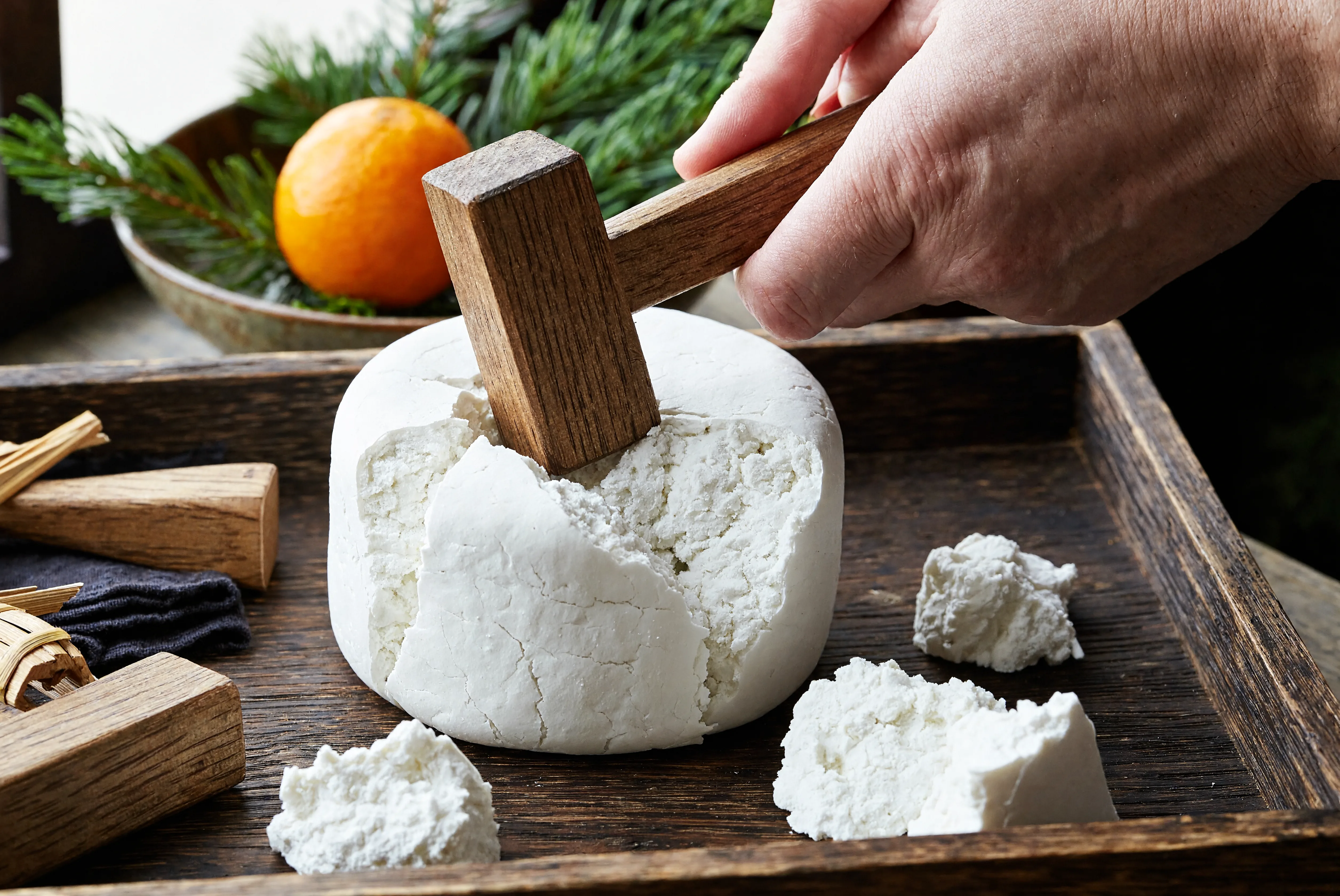
Kagami biraki is the custom of taking down and eating the offered kagami mochi, which is believed to have housed Toshigami.
During kagami biraki, the mochi is broken with a wooden mallet or a similar tool rather than cut with a blade. This is said to be because the word “cut” brings to mind seppuku, ritual suicide by disembowelment. The pieces are eaten in ozōni soup or oshiruko, a sweet red bean soup. The date of kagami biraki varies by region.
Customs for taking down New Year decorations also differ by location. In some regions, the decorations are burned around Little New Year at an event called dondo yaki, also known as sagichō.
What are osechi and ozōni?
If you’re learning about food for Japanese New Year 2027, osechi is a collective name to know. It refers to the dishes eaten to celebrate the New Year, including New Year’s Day, rather than one particular dish.
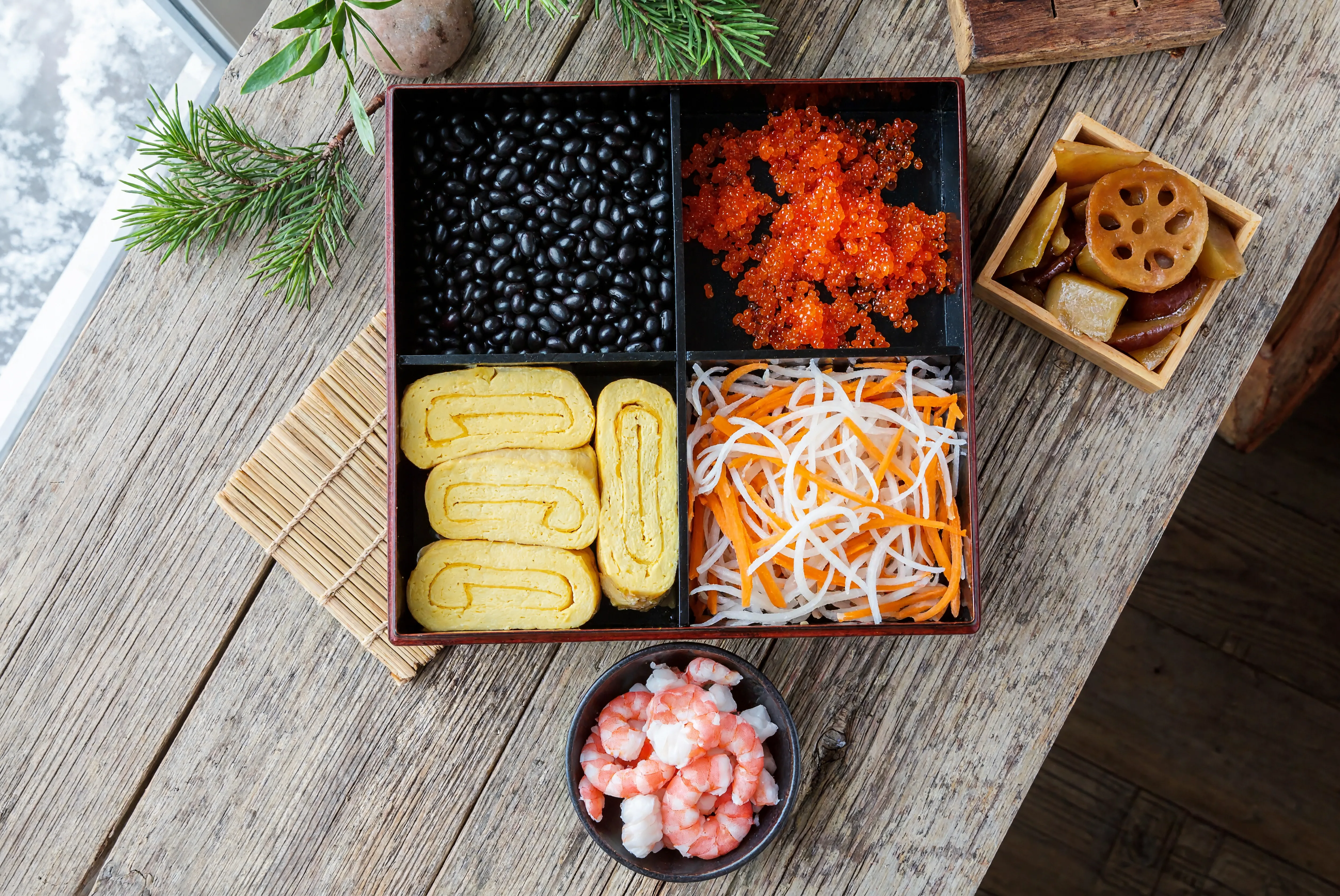
Osechi dishes vary by region, so a food served on New Year’s Day in one area may not be part of the meal elsewhere.
Many osechi dishes are sweetened, sour, or dried. These preparations date back to a time when homes had no refrigerators and many stores closed for the New Year. Each dish also carries an auspicious wish.
Ozōni is a soup containing mochi, with other ingredients that vary across Japan.
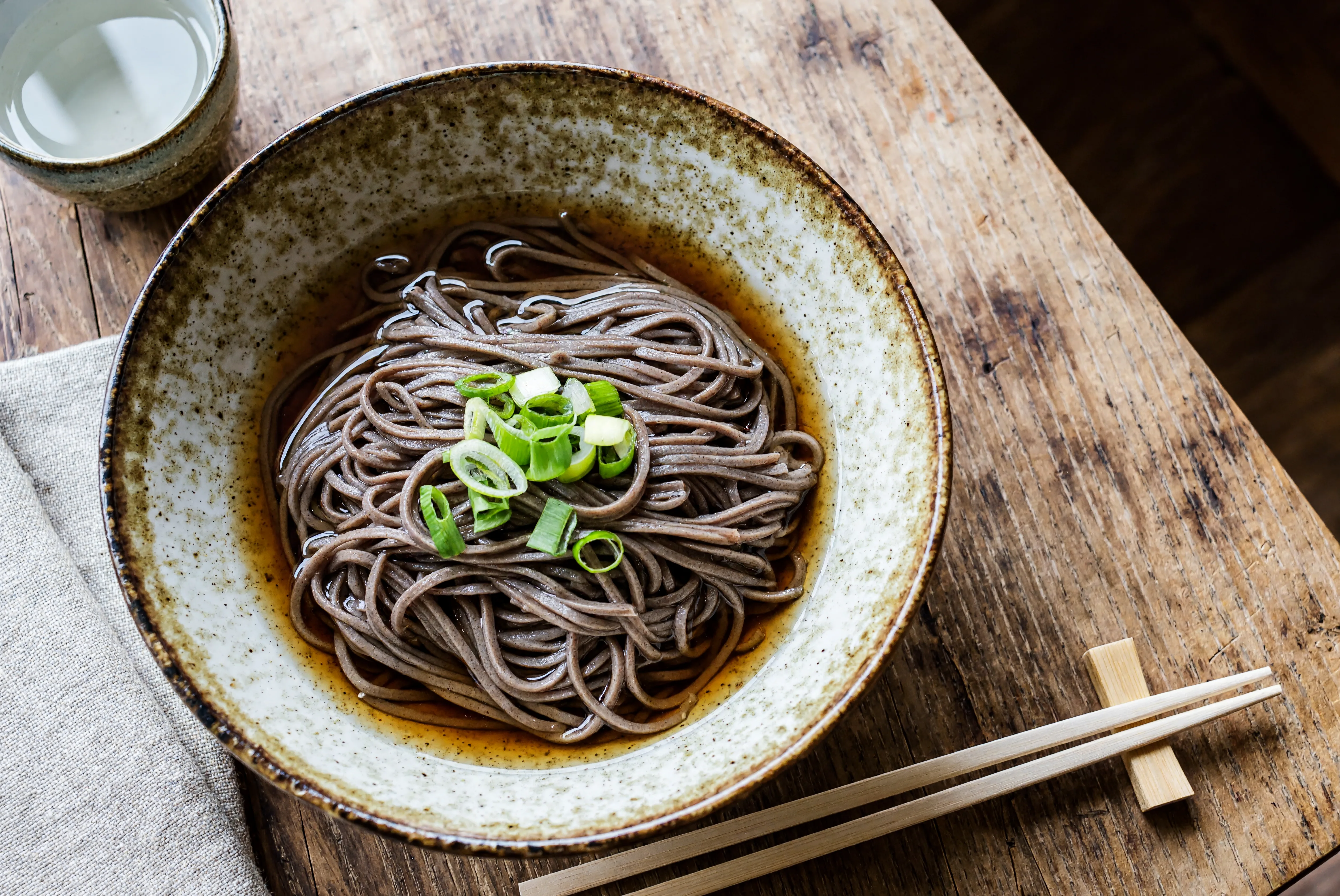
The food customs continue after New Year’s Day. On the morning of January 7, there is a tradition of eating nanakusa gayu, rice porridge made with the seven herbs of spring. Unlike osechi and ozōni more generally, this porridge is associated with that specific date.
The seven herbs are seri, nazuna, gogyō, hakobera, hotokenoza, suzuna, and suzushiro. Eating nanakusa gayu is said to express a wish for good health and freedom from illness throughout the year.
When should you make your first shrine or temple visit?
Hatsumōde is your first visit to a shrine or temple after the new year begins. There is no strict cutoff: people commonly go on January 1, during sanganichi, or within matsu no uchi.
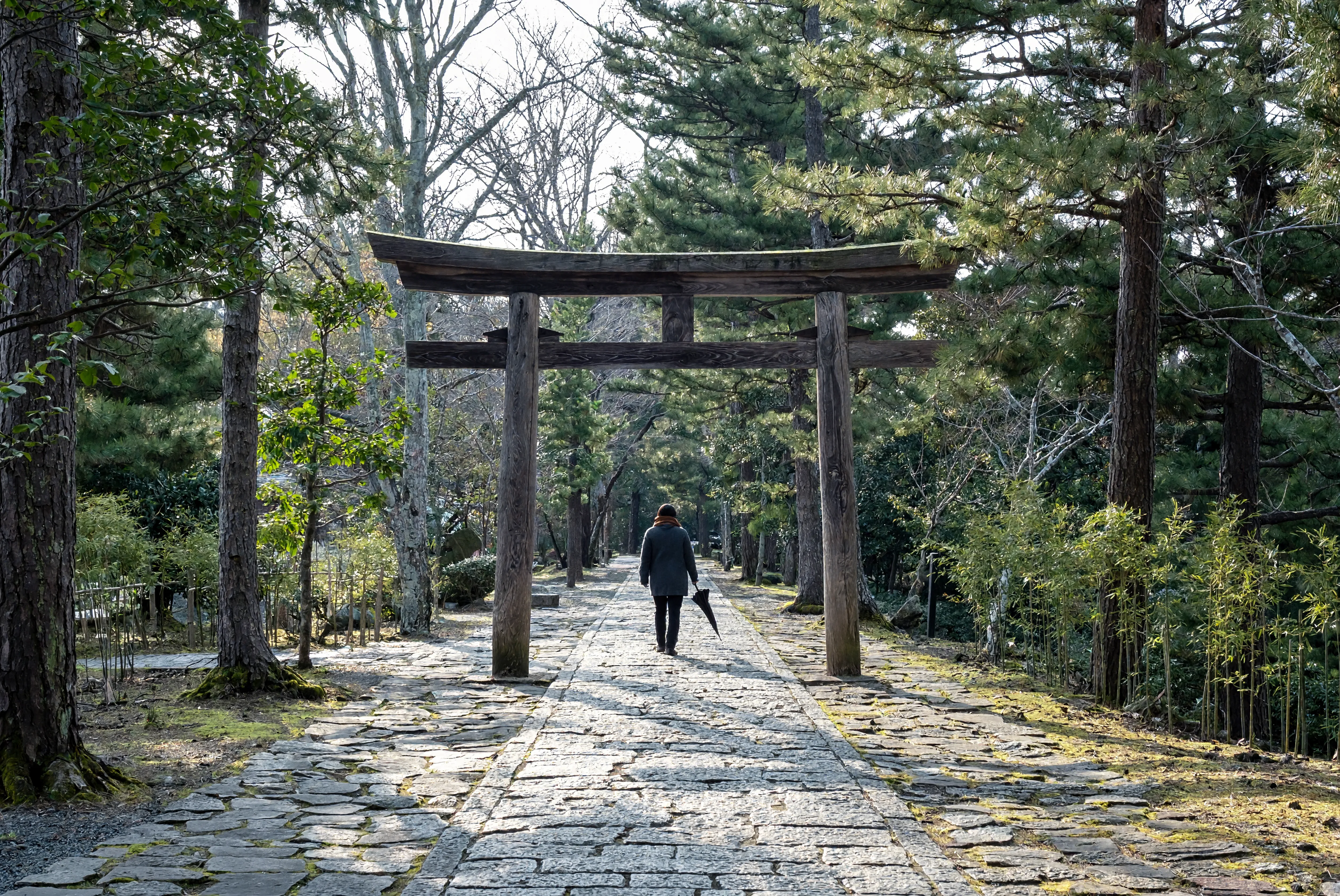
For Japanese New Year 2027, “within matsu no uchi” does not mean one nationwide deadline. The period originally lasted through January 15. Today, it often ends on January 7, though some regions still observe it through January 15. Those different boundaries explain why you may hear different dates suggested for hatsumōde.
The difference traces back to instructions about taking down decorations during the Edo period. On January 6 of Kanbun 2, the Tokugawa shogunate directed that decorations be taken down on January 7. The custom is believed to have spread gradually, mainly through the Kantō region, following the notice issued in the castle town of Edo.
ClockZone tools
- Countdown timer
- World clock
- Public holidays in Japan
- Time zone converter
- 2027 public holidays in Japan
References
Зображення в цій статті створено ШІ.