Kagami Biraki 2027: Why January 11 Matters and How to Eat Kagami Mochi
Kagami Biraki 2027 generally falls on Monday, January 11. Learn why dates vary by region, why the mochi is broken by hand or mallet, and how it’s eaten.
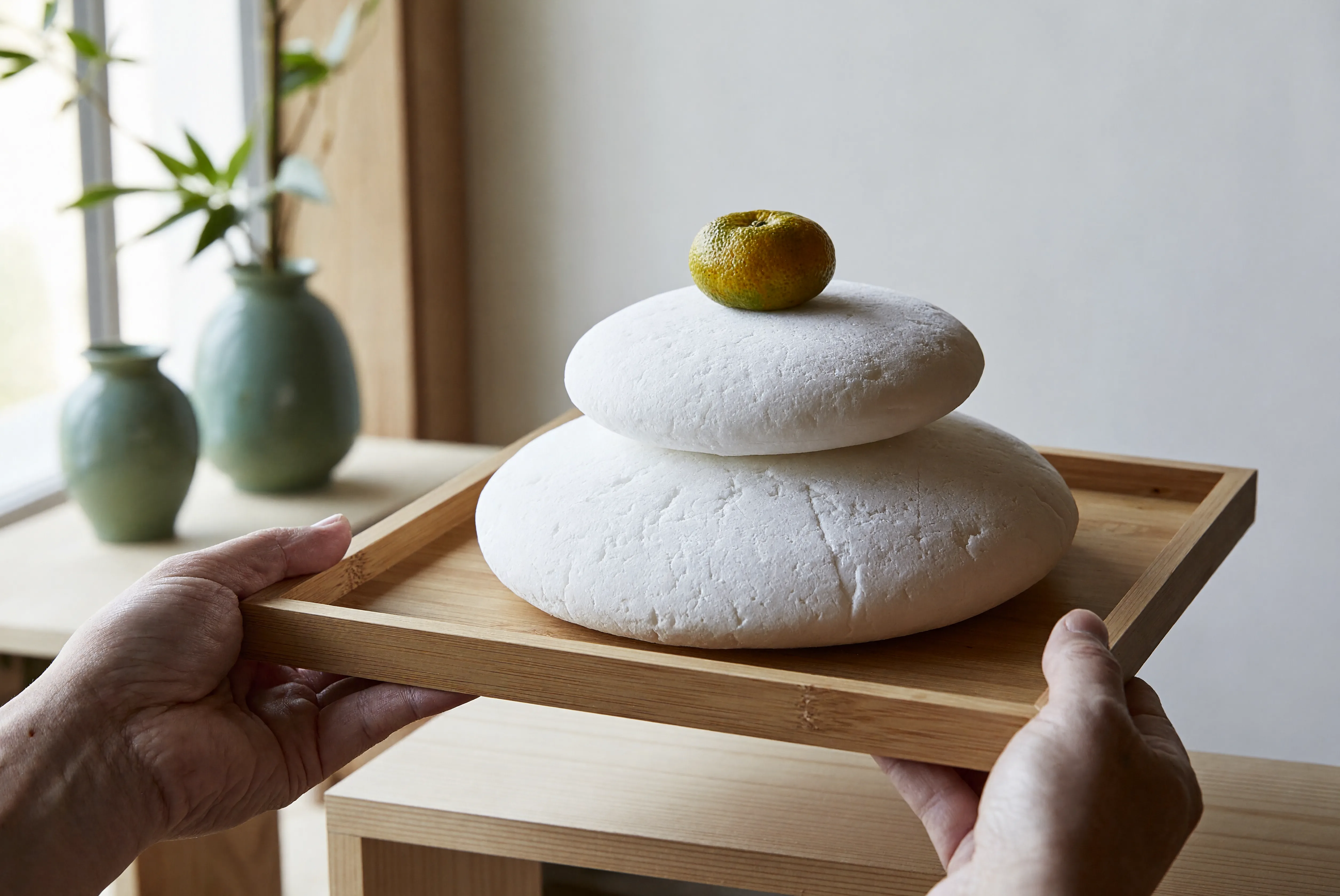
Kagami Biraki 2027 generally falls on Monday, January 11. This Japanese New Year custom marks the time to take down and eat kagami mochi, the rice cakes offered during the holiday.
Why is Kagami Biraki 2027 usually on January 11?
In the Kanto region and other areas where matsu no uchi, the New Year observance period, ends on January 7, Kagami Biraki follows on January 11. The order matters: the mochi is eaten after its time as an offering to Toshigami, the New Year deity. January 11 is the customary annual date, though weekends and holidays can affect when people hold the observance.
One explanation traces the date to a change made to avoid the day associated with Tokugawa Iemitsu’s death. According to this account, the custom originally took place on January 20 in the lunar calendar, after Koshogatsu, or Little New Year, on lunar January 15. Iemitsu died on lunar April 20 in Keian 4 (1651). The observance is said to have moved away from the 20th and later settled on January 11, after matsu no uchi.
Where do regional dates differ?
If you’re checking a local date for Kagami Biraki 2027, January 11 isn’t a nationwide rule. Some communities in Kyoto Prefecture and nearby areas observe it on January 4. That date shouldn’t be applied to all of Kyoto, and its origins are considered uncertain.
In regions where matsu no uchi continues through January 15 on the modern calendar, Kagami Biraki usually takes place afterward, on January 20. This day is called Hatsuka Shogatsu, or “Twentieth-Day New Year.” These regions end their New Year observance later than Kanto and other areas that follow the January 11 custom.
Some communities where matsu no uchi lasts through January 15 also hold Kagami Biraki on January 15 itself. So a January 15 end to matsu no uchi doesn’t always mean a January 20 ceremony; both dates have their own local traditions.
What does eating the New Year offering mean?
Kagami Biraki is the annual custom of taking down and eating kagami mochi offered at New Year to Toshigami or Buddhist deities. Eating the offering expresses gratitude to the deities and accompanies prayers for good health and freedom from illness in the year ahead. Sweet shiruko soup and savory zoni are among the ways the mochi is served.
The custom also has roots in samurai households. Warriors took down gusoku mochi, rice cakes offered with armor and other equipment, and ate them in dishes such as zoni. This observance took place on the 11th day of the New Year, originally the 20th, and celebrated “hatsuka,” written with characters referring to a blade and its hilt. Such warrior-household customs later spread to the wider public.
Some judo and kendo dojos still hold New Year Kagami Biraki ceremonies that carry on the samurai gusoku-shiki tradition. A ceremony may also mark the dojo’s first practice of the year. Alongside the household custom, Kagami Biraki 2027 remains part of New Year observances in martial arts settings.
Why use your hands or a wooden mallet instead of a knife?
Traditionally, kagami mochi is separated by hand or with a wooden mallet rather than cut with a kitchen knife. Cutting it with a blade evokes seppuku, ritual suicide by disembowelment. This explanation belongs to the Kagami Biraki custom, not to mochi preparation in general.
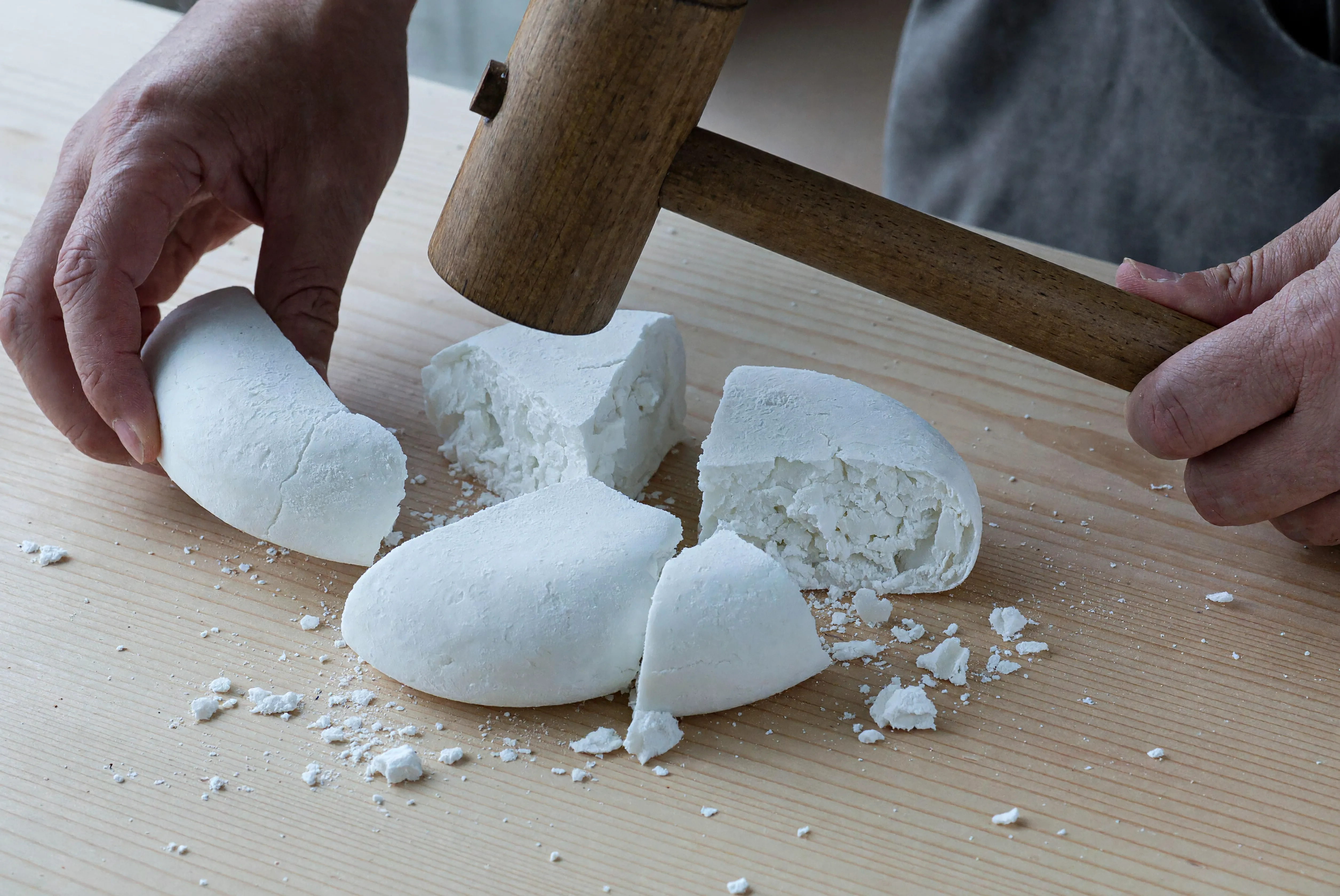
Avoiding a knife also avoids the association of “cutting” personal ties. The New Year custom steers away from actions and words with unlucky meanings, and that attention to language helps explain the method.
Although the mochi is physically broken apart, the ceremony avoids words meaning “cut” or “break” and instead calls the action “opening.” Kagami, meaning “mirror,” is associated with harmony, while hiraku, “to open,” suggests expanding good fortune. The name reflects both the handling of the mochi and the choice of auspicious language.
How do you eat the mochi: shiruko, zoni, or rice crackers?
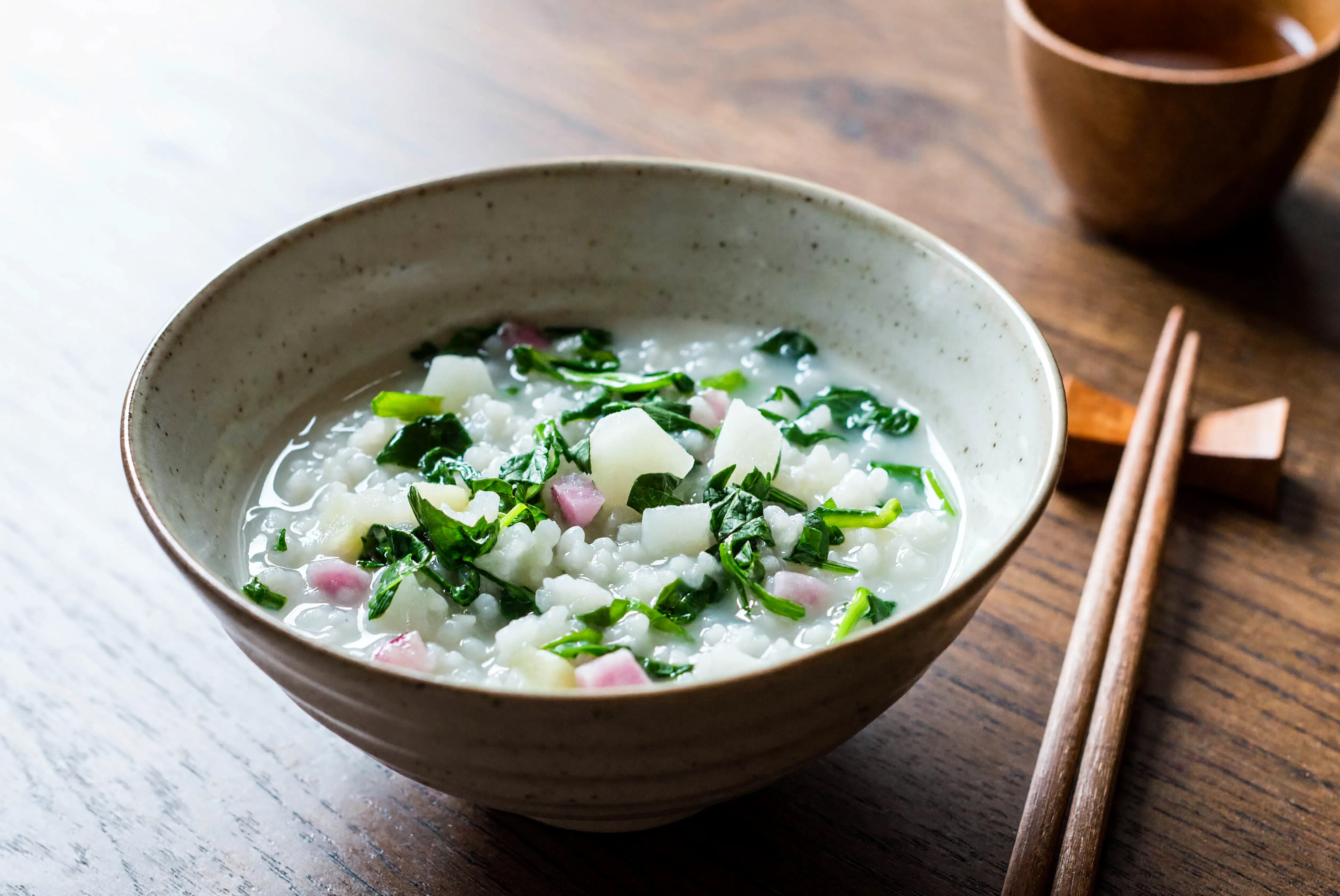
For Kagami Biraki 2027, the customary dishes include shiruko, a sweet adzuki bean soup; zoni, a savory soup with mochi; and rice crackers such as kakimochi and arare. There’s no single required dish. The offered rice cakes may be paired with sweet beans or served in savory soup.
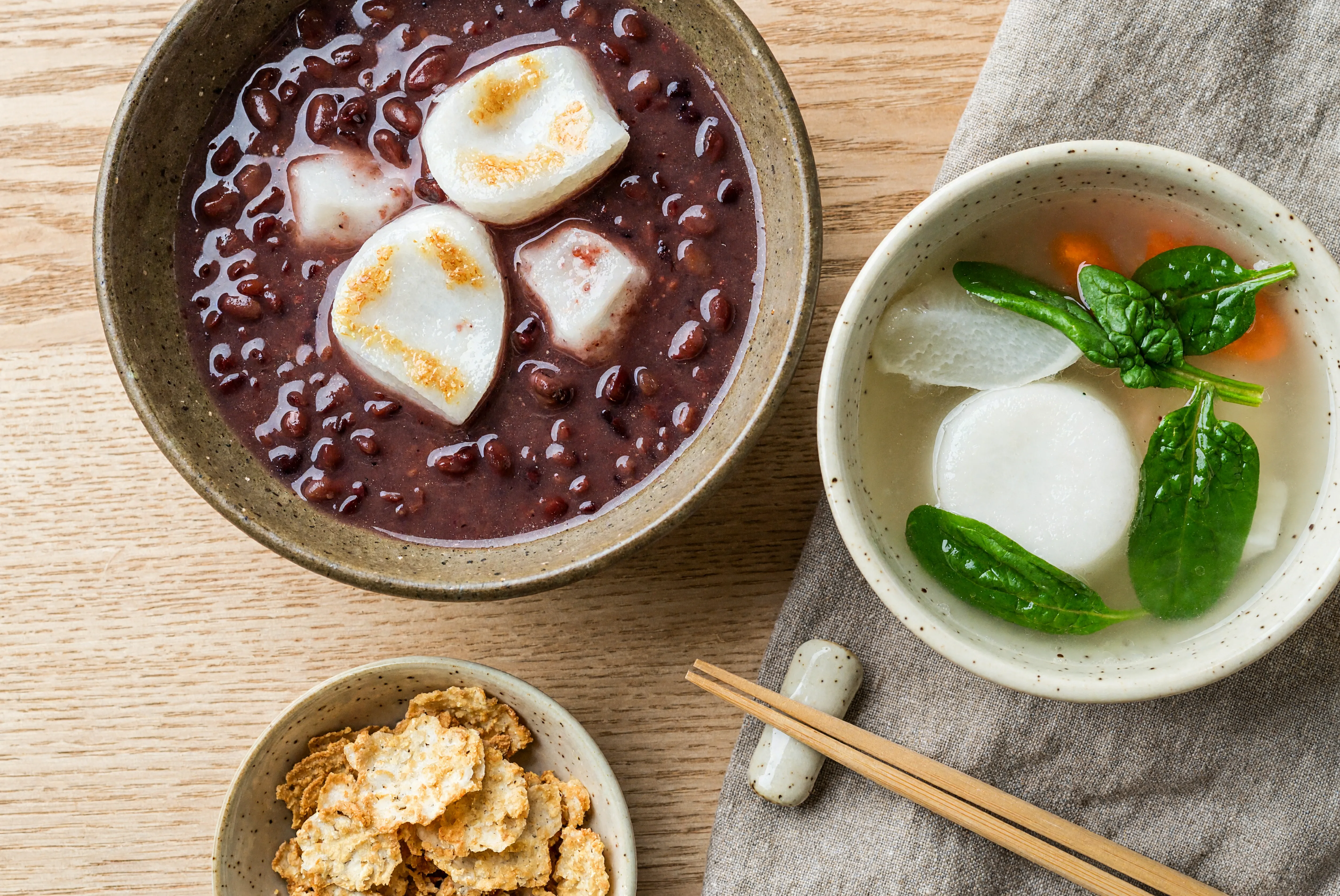
The red color of the adzuki beans used in shiruko and zenzai has long been believed to ward off evil. That belief forms part of the background to serving sweet bean dishes for Kagami Biraki.
At Edo Castle, mochi and sweet bean paste were packed into tiered food boxes and sent to the Ooku, the castle’s women’s quarters, where they were eaten as shiruko and other dishes. Alongside the samurai practice of serving gusoku mochi in zoni, this shows that ways of eating the offerings have varied throughout the custom’s history.
Parts of western Japan also have a tradition of breaking kagami mochi to make arare called hanakuso. These crackers are eaten for Nehan-e, the commemoration of the Buddha’s passing, on February 15 in the lunar calendar, with prayers for health throughout the year. The calendar and occasion differ from the usual January 11 Kagami Biraki observance.
Why is opening a sake barrel also called Kagami Biraki?
Kagami Biraki can also mean the celebratory ceremony of opening a sake barrel with wooden mallets. Participants break the lid of a komodaru, a barrel wrapped in straw matting, to open it.
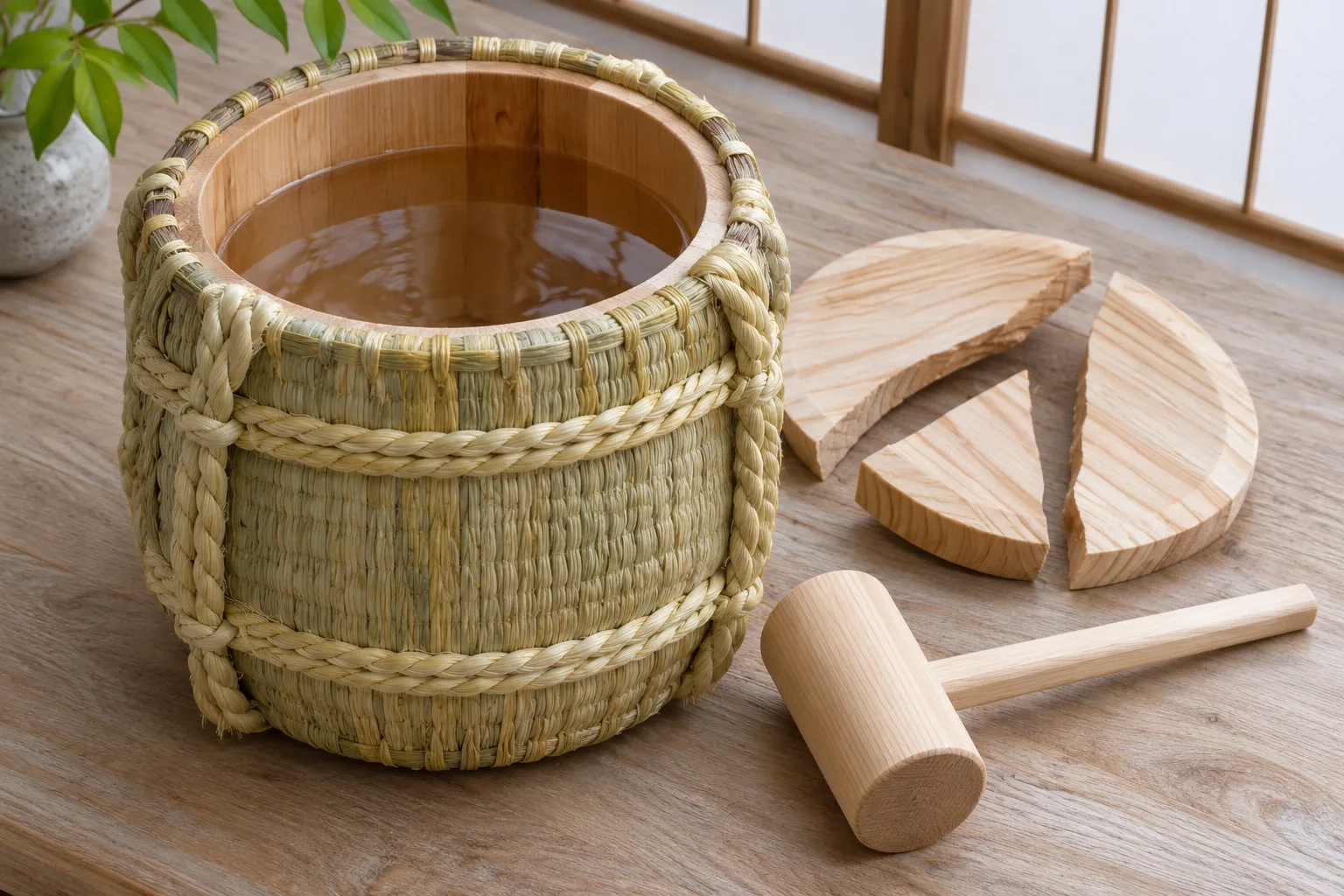
Here, kagami refers to the barrel’s top lid, a name used in the sake trade. The barrel-opening ceremony is also called kagami nuki.
ClockZone tools
- Countdown timer
- World clock
- Public holidays in Japan
- Time zone converter
- 2027 public holidays in Japan
References
Images in this article are AI-generated.