Epiphany 2027: Why France Celebrates on January 3, Not January 6
France celebrates Epiphany 2027 on Sunday, January 3. Learn why the date shifts and how the Magi, king cake, and a hidden token fit into the celebration.
In France, Epiphany 2027 is celebrated on Sunday, January 3, in the Catholic liturgy. January 6 remains the feast’s traditional date. If you’re checking the French calendar, that distinction explains why you’ll see two dates associated with the celebration.
Why does France celebrate Epiphany on a Sunday?
France celebrates Epiphany on the first Sunday after January 1, also called the second Sunday after Christmas. Since January 6 is not a public holiday in France, moving the celebration to Sunday allows the faithful to attend.
There’s one exception to keep in mind: when New Year’s Day falls on a Sunday, Epiphany is celebrated on the second Sunday in January, not the first.
This French practice dates to 1802. It was established by a decree from Cardinal Caprara, the legate of Pope Pius VII.
What does Epiphany celebrate?
Epiphany celebrates God’s manifestation to humanity in the person of Jesus Christ. In Western Christianity, the feast is most closely associated with the Magi, who traveled from the East to pay him homage. Their presence points to the universal reach of the Gospel message.
The liturgical service brings together three mysteries: the adoration of the Magi, the baptism of Jesus, and the wedding at Cana. The liturgy connects them as expressions of the same divine manifestation, though the visit of the Magi takes center stage in the Western celebration.
Were the Magi three kings?
The Gospel of Matthew recounts the Magi’s visit and their adoration of the infant Jesus. The biblical text does not say how many there were and describes them as learned men from the East. The idea that they were three kings comes from tradition, as do their names: Caspar, Melchior, and Balthazar.
Their gifts were gold, frankincense, and myrrh. In symbolic interpretations of these gifts, gold represents kingship, frankincense represents divinity, and myrrh foreshadows redemptive suffering.

King cake for Epiphany: Where do the cake and hidden token come from?
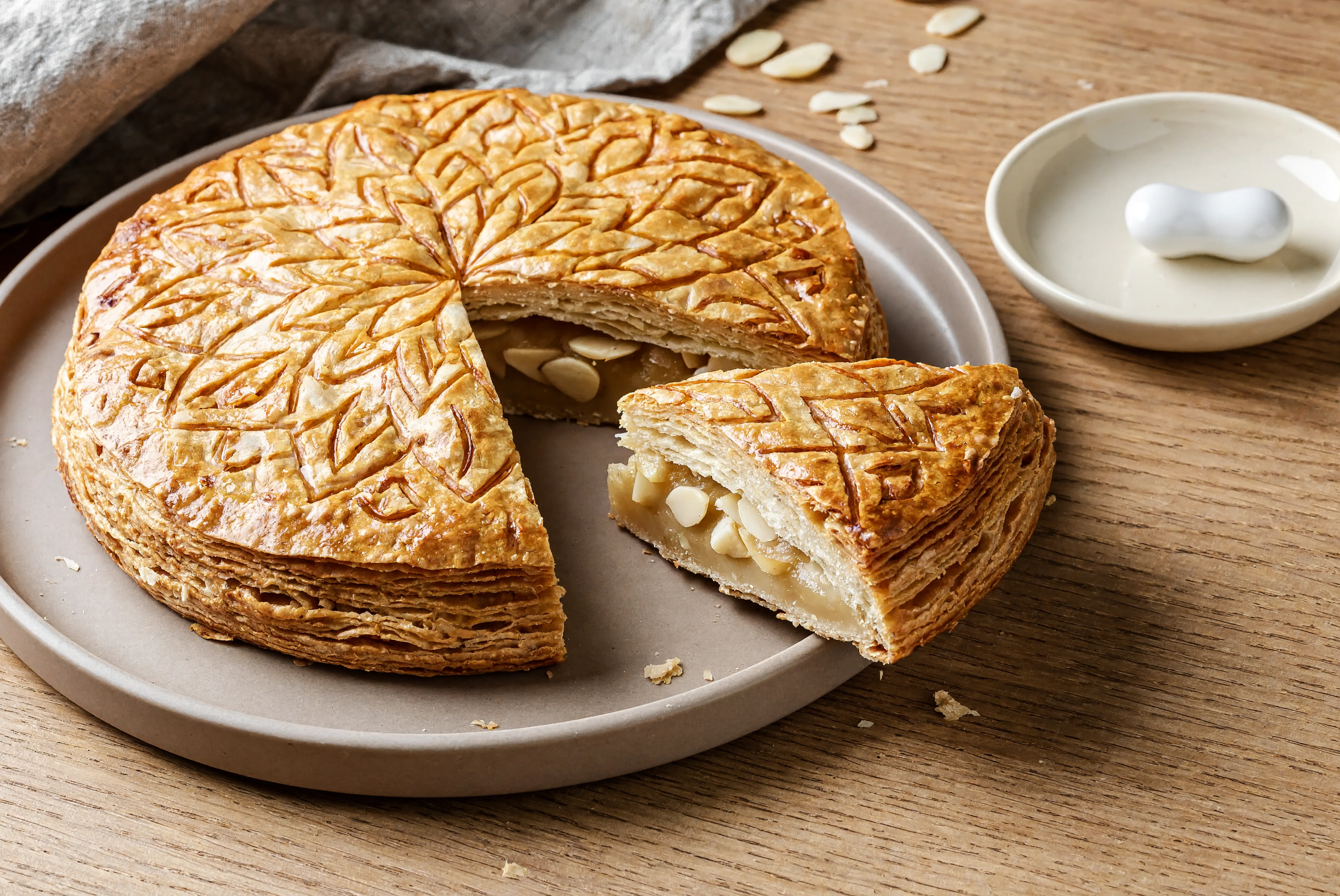
The custom of sharing a galette, or cake, with a hidden token called a fève has been documented since the Middle Ages in France, Switzerland, and Belgium. The frangipane-filled galette is the version most often cited in the tradition described by the Catholic Church in France.
If you’re taking part in this king cake custom, the rule is straightforward: whoever finds the fève in their slice is named king or queen.
Another custom puts the youngest child under the table to assign the slices. The child says who receives each piece, preventing cheating as the cake is handed out.
How do incense and baptism fit into the church celebration?
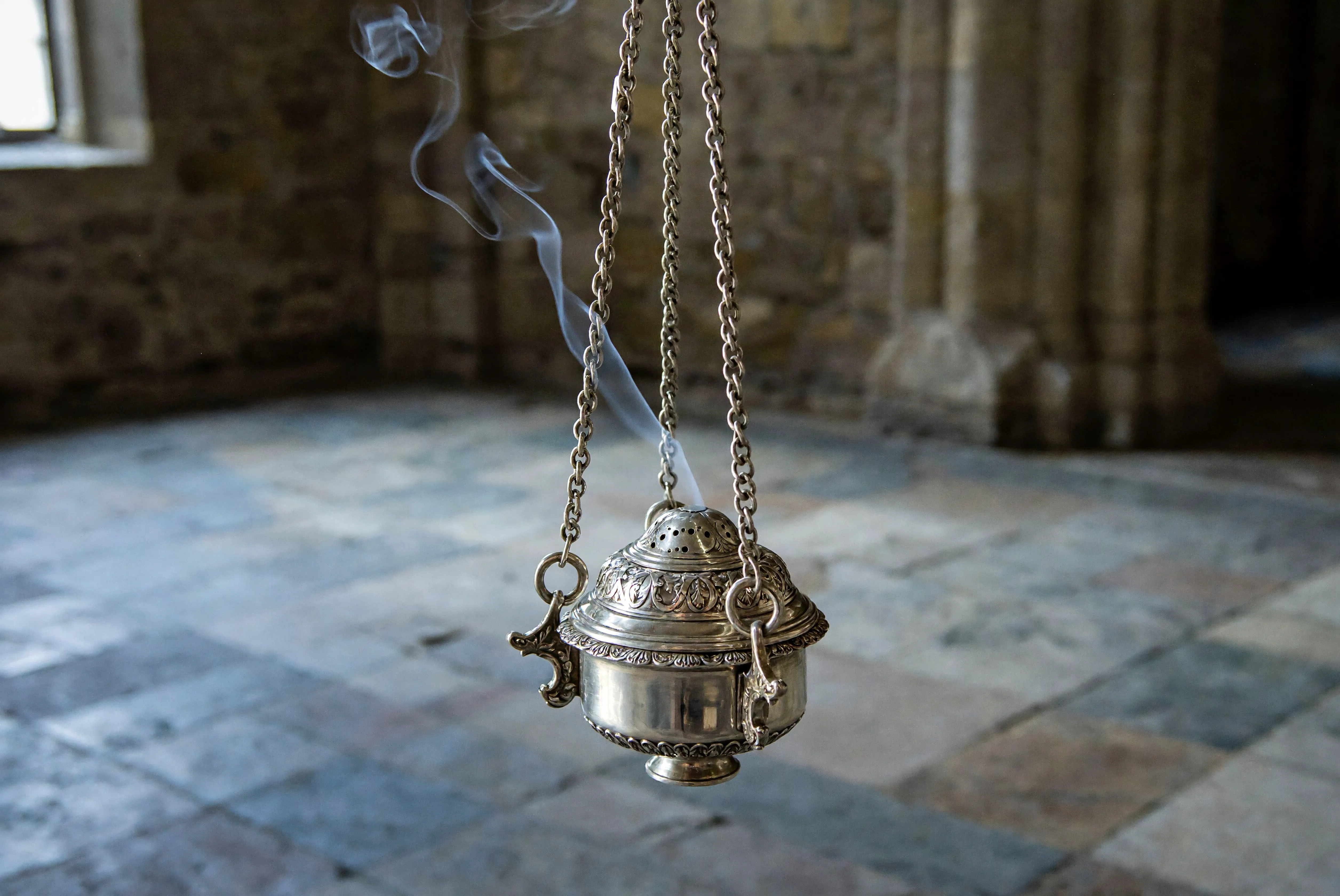
At Epiphany Mass, the priest reads the Gospel passage about the event and gives a blessing. Incense is used in remembrance of the gift the Magi offered to Jesus.
Eastern Christian traditions emphasize Jesus’ baptism in the Jordan River, celebrated as his manifestation to the world as the Son of God. The feast is also known as Theophany.
In an Orthodox tradition associated with the blessing of the waters, a priest throws a cross into a river or the sea. Young people dive in to retrieve it.
ClockZone tools
- Countdown timer
- World clock
- Public holidays in France
- Time zone converter
- 2027 public holidays in France
- Countdown to the date
References
Images in this article are AI-generated.