Nanakusa Gayu: When to Eat It in 2027 and Which Seven Herbs to Use
Nanakusa gayu is eaten on January 7, a Thursday in 2027. Learn about the morning tradition, the seven spring herbs, and regional customs in southern Kyushu and Okinawa.
When do you eat nanakusa gayu, Japan’s seven-herb rice porridge? In 2027, the date is Thursday, January 7. Across Japan, the customary date is January 7 on the Gregorian calendar, the seasonal festival known as Jinjitsu.
How did nanakusa gayu become a January tradition?
In ancient China, the opening days of the new year were associated with fortune-telling for chickens, dogs, sheep, boars, cattle, and horses, in that order. The seventh day was devoted to people, giving it the name Jinjitsu, or “Human Day.”
Southern China had a custom of eating a hot soup made with seven kinds of vegetables on the seventh day of the first lunar month. The practice is recorded in the Jingchu Suishiji, a record of seasonal customs. In the Jiangnan region, soup made from early spring greens gathered on Human Day was called “seven-vegetable soup.”
The character 羹, read as atsumono in Japanese, means soup. The dish did not arrive from China as the same rice porridge we know today as nanakusa gayu.
Japan also had an ancient custom of gathering young greens in early spring. That practice merged with the tradition from China. From the Nara through Heian periods, eating soup made with young greens on Jinjitsu became a court observance as well.
From the Muromachi period onward, the dish shifted from soup to rice porridge. It is unclear whether people had also eaten a porridge version before then.
During the Edo period, the shogunate designated Jinjitsu as one of the five seasonal festivals. On that day, feudal lords went to the castle and ate nanakusa gayu.
When should you eat nanakusa gayu, and what can you prepare the night before?
Many households eat nanakusa gayu in the morning.
Chopping the herbs has its own customary ritual. On the morning of January 7 or the night before, people place the seven herbs, a rice paddle, a wooden pestle, and other utensils on a cutting board, then chop the greens while reciting traditional words.
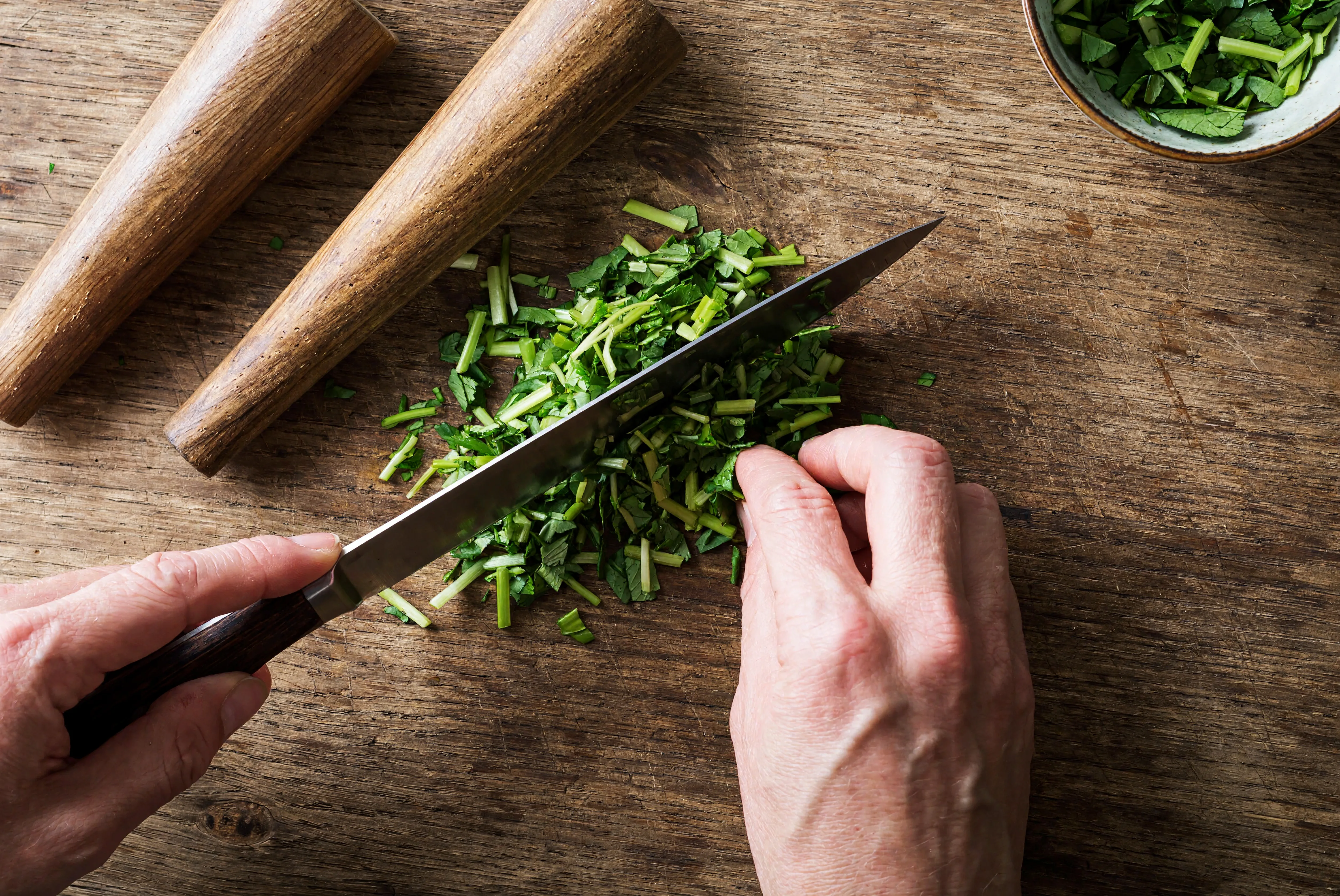
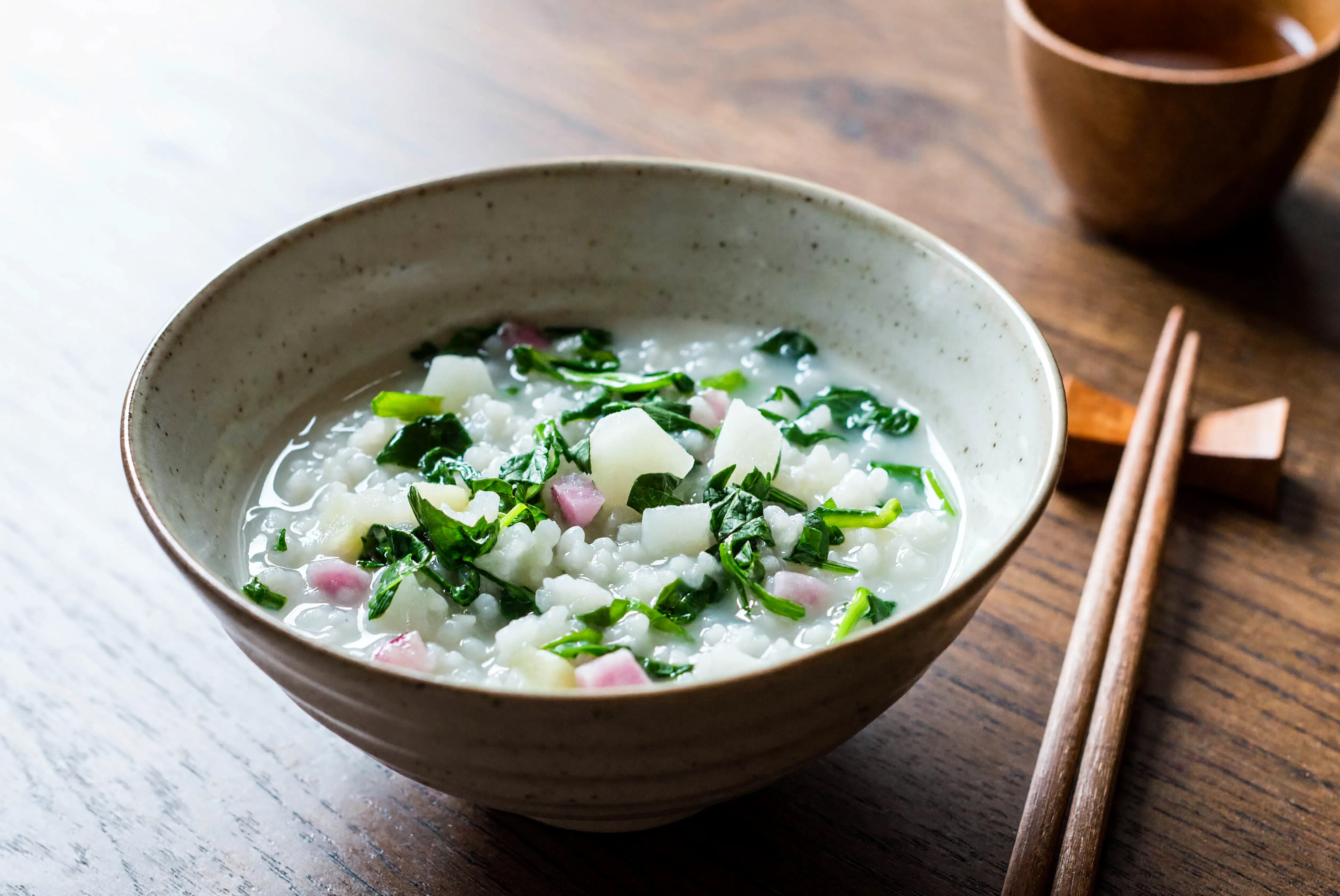
The basic preparation is to cook rice until it becomes a soft porridge, then add the chopped herbs. Season lightly with salt.
What are the seven spring herbs? Watch for the name hotokenoza
The seven spring herbs used in nanakusa gayu are seri, nazuna, gogyo, hakobera, hotokenoza, suzuna, and suzushiro.
Gogyo refers to hahakogusa, and hakobera refers to hakobe.
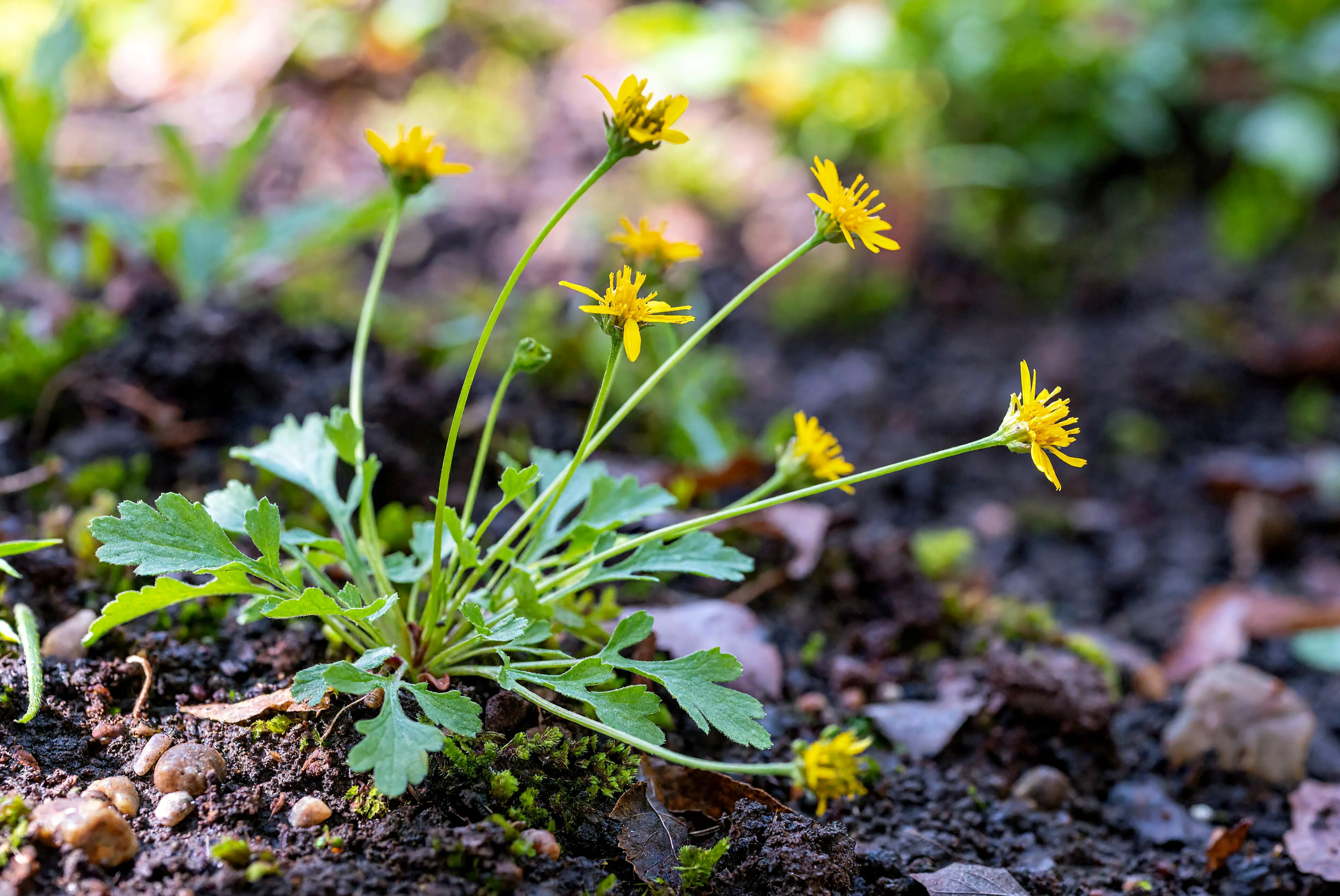
Hotokenoza is the name to check carefully. The plant counted among the seven herbs is koonitabirako, a member of the daisy family. It is a different plant from the mint-family plant also called hotokenoza.
In southern Kyushu, January 7 is also a celebration for children
The greens used in nanakusa gayu have varied by period and region. Some communities use plants found close to home.
Southern Kyushu, including Kagoshima Prefecture, has a children’s celebration called Nanakusa Iwai. Similar to Shichi-Go-San, it celebrates children’s growth.
On January 7, boys and girls who are seven under the traditional Japanese age-counting system receive nanakusa gayu from seven households. They also visit a shrine to pray for health and growth. The tradition dates back to the days of the Satsuma domain.
In Miyakonojo, Miyazaki Prefecture, the celebration is called Nanatokosan. The rice soup eaten there is known as Nanatokozushi.
Okinawa’s Nankanushiku follows the lunar calendar
Nankanushiku takes place on the seventh day of the first lunar month, not January 7 on the Gregorian calendar.
The dish served is na-jushi, a rice soup made with Okinawan leafy greens and other ingredients. Its ingredients differ from those of the nanakusa gayu widely known across Japan.
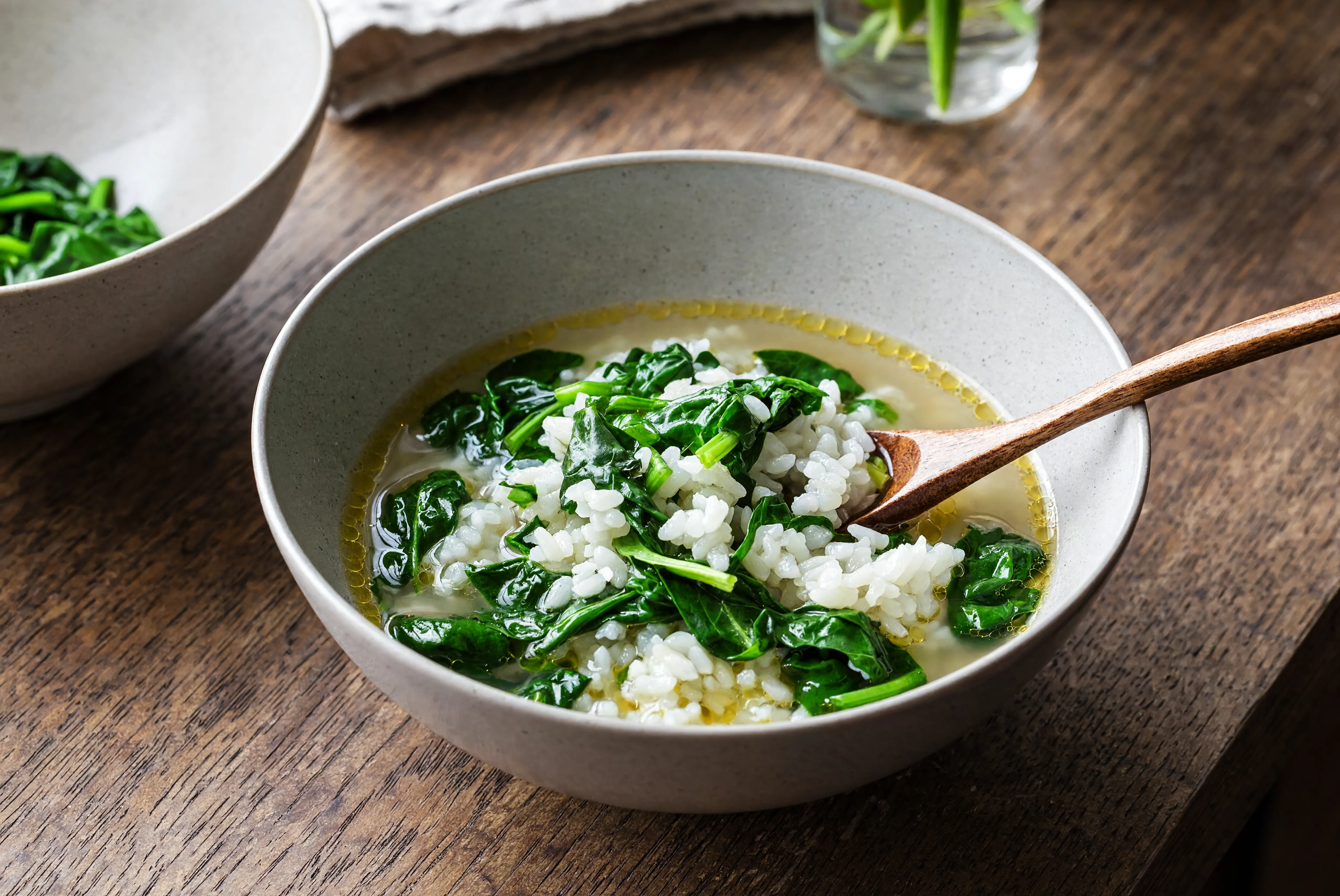
Ingredients include fuchiba, ichoba, handama, nnjanaba, sakuna, kandaba, and nobiru. There is no firm rule requiring this exact set of seven. Some households also add island carrots.
Making an offering before the meal is another Nankanushiku custom. Before the family eats, na-jushi is offered to Hinukan, the fire deity, and at the household Buddhist altar.
Some households also observe Sukunoshi, or “putting the festival in order,” on Nankanushiku. This means putting away the Lunar New Year decorations and offerings.
ClockZone tools
- Countdown timer
- World clock
- Public holidays in Japan
- Time zone converter
- 2027 public holidays in Japan
References
Images in this article are AI-generated.