Christmas Eve 2026: Why Does Christmas Begin on December 24?
Christmas Eve 2026 falls on Thursday, December 24. Learn why celebrations begin that evening, how Midnight Mass schedules vary, and where dinner and gift traditions come from.
Christmas Eve 2026 falls on Thursday, December 24. The date is fixed because it is the day before Christmas, celebrated on December 25.
Why do Christmas celebrations begin on Christmas Eve 2026?
In Catholic tradition, Christmas Eve is a vigil of anticipation before the celebration of Jesus Christ’s birth. In Western Christian traditions, the celebration begins at sundown, following an understanding of the liturgical day inherited from Jewish tradition.
That’s why the evening of December 24 is already part of the religious celebration. The liturgical start does not change the civil date, though: on the calendar, December 25 begins at midnight.
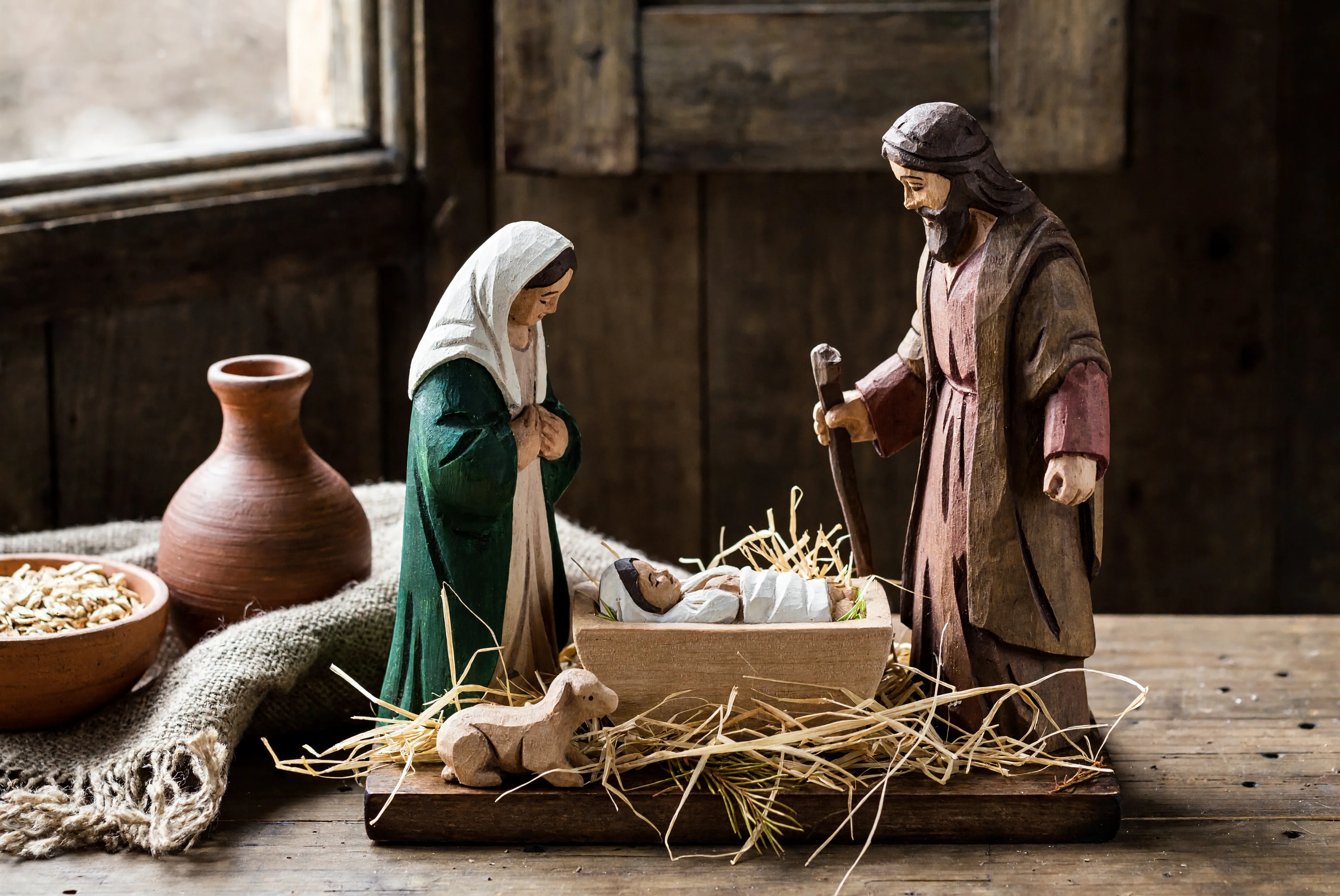
The nighttime celebration also connects to the account in chapter 2 of the Gospel of Luke. According to Christian tradition based on that passage, Jesus was born at night while shepherds were watching their flocks.
Is Midnight Mass always at midnight?
Catholic liturgy distinguishes the Vigil Mass from the Mass During the Night, traditionally associated with midnight and known as Midnight Mass. These are separate celebrations, and the traditional name of the latter does not tell you what time it will be held.
Some churches hold the service earlier, including to better accommodate children. If you plan to attend on Christmas Eve 2026, check your chosen church’s official announcement for the time and which Mass will be celebrated.
Why have Christmas dinner on December 24?
Christmas Eve dinner brings family and friends together on the evening of December 24 and is one of the cultural customs associated with Christmas celebrations. This gathering around the table has European origins and follows the tradition of beginning Christmas celebrations the night before.
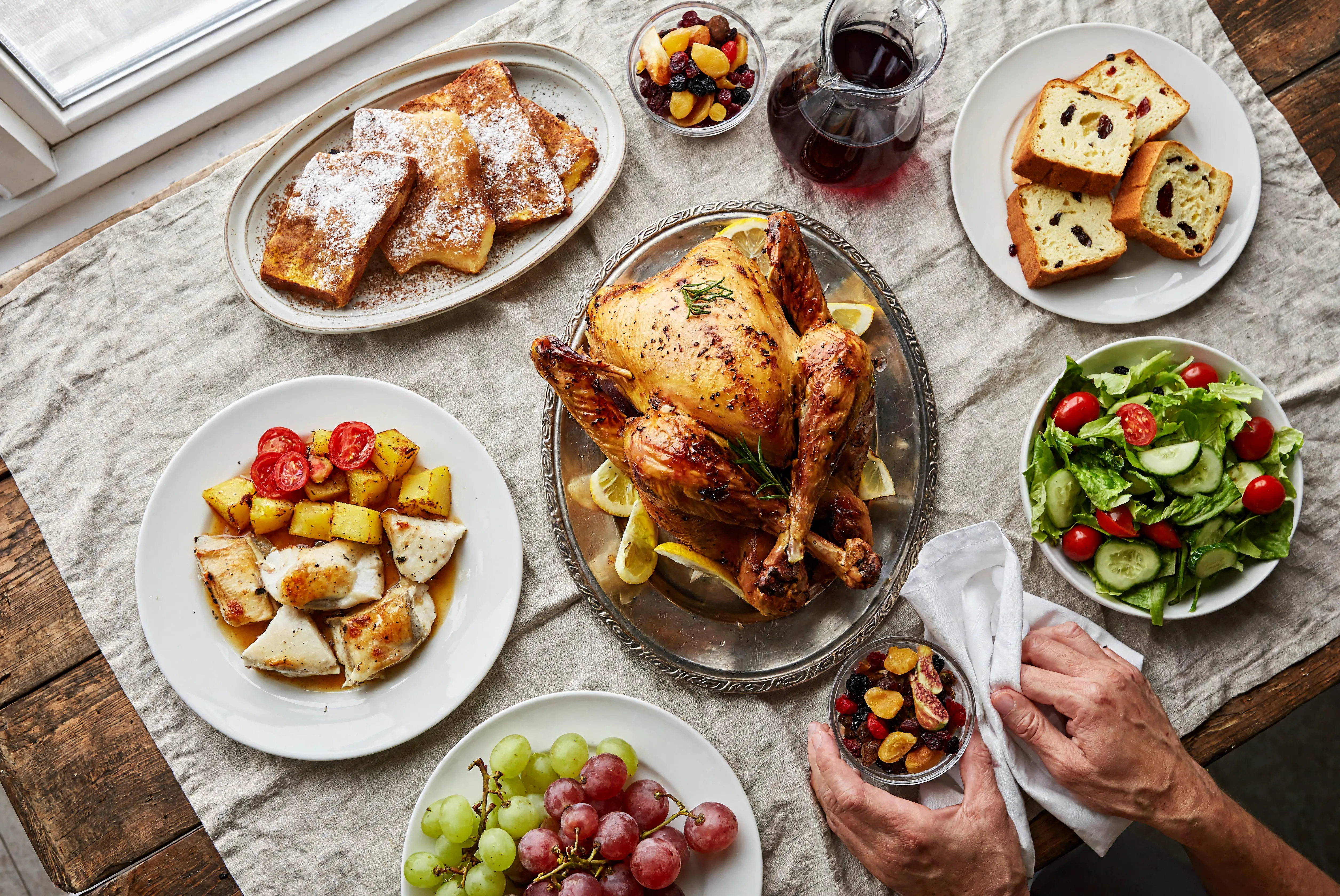
In Brazil, foods associated with the meal include rabanadas, a type of French toast, turkey, salt cod, and panettone, along with salads, dried fruit, grapes, and wine.
What about exchanging gifts at midnight?
Some families exchange gifts as December 24 turns into December 25. Santa Claus is also associated with Christmas Eve and the custom of giving gifts.

The connection between gifts and the holiday has a history that predates today’s celebrations: in Europe, until the 16th century, gift-giving was tied to the feast of St. Nicholas, celebrated on December 6.
ClockZone tools
- Countdown timer
- World clock
- Public holidays in Brazil
- Time zone converter
- 2026 public holidays in Brazil
References
Images in this article are AI-generated.