Chag HaBanot 2026: Dates and Traditions of the Festival of Daughters
Artikel ini belum tersedia dalam Melayu. Anda sedang membaca versi Inggeris.
Chag HaBanot 2026 falls on December 10, beginning the evening before. Explore its Rosh Chodesh Tevet connection, stories of women’s courage, and traditions of food, gifts, and reconciliation.
Chag HaBanot 2026 falls on Thursday, December 10, the 30th of Kislev in the Hebrew year תשפ״ז, and begins on Wednesday evening, December 9. The Festival of Daughters takes place during Chanukah, on Rosh Chodesh Tevet. This year, that observance begins in Kislev rather than on the 1st of Tevet.
Preserved especially in Tunisia and Djerba, this Jewish tradition honors women’s courage, wisdom, and bonds with one another. Another name, Rosh Chodesh LaBanot, connects it to the broader tradition of Rosh Chodesh as a special day for women. Customs vary by community, from study, singing, and shared meals to gifts, reconciliation, and sometimes group bat mitzvah celebrations.
When does Chag HaBanot 2026 begin and end?
Chag HaBanot is observed on Rosh Chodesh Tevet during Chanukah. In 2026, Rosh Chodesh Tevet begins on the 30th of Kislev, December 10, while the 1st of Tevet is the following day.
The observance runs from sunset on Wednesday, December 9, until nightfall on Thursday, December 10. Those are its calendar boundaries, not the start and end times of a meal or community gathering; there is no shared ceremony time.
The Rosh Chodesh connection goes beyond the name. Jewish tradition gives the beginning of each Hebrew month a special place in women’s lives. Rosh Chodesh LaBanot expands that tradition into a celebration on Rosh Chodesh Tevet, while its place during Chanukah brings in stories of women’s courage associated with the holiday over generations.
What is Eid al-Banat, and where is it celebrated?
Eid al-Banat is the Arabic name for Chag HaBanot, also called Rosh Chodesh LaBanot. These names refer to the same observance, centered on women, their relationships, and the memory of female figures associated with courage and wisdom.
In North Africa, the tradition was preserved in some Jewish communities in Tunisia, Libya, Algeria, and Morocco. Djerba has its own place in this history, and Tunisia stands out as a place where the holiday was especially well preserved. Jewish communities in Istanbul and Salonika also observed it.
In Djerba, the celebration was associated mainly with unmarried women and was considered a favorable omen for finding a good marriage match. Other communities emphasized meals, visits among girls, or reconciliation between friends.
Despite the name “Festival of Daughters,” participants included women, girls, and older women. Alongside customs focused on younger girls, women gathered to study, sing, and dance.
How did Judith and other stories of women’s courage become part of the holiday?
The origins of Chag HaBanot are uncertain.
One tradition connects the holiday to Judith, who used her wisdom to overcome the military commander Holofernes and beheaded him, saving the people of Judea. Her story appears in the Book of Judith, which is outside the Hebrew Bible. She remains one of the figures associated with the holiday’s celebration of women’s courage and wisdom.
Another tradition centers on a woman who urged her Hasmonean brothers to begin a revolt against the Greeks. Like Judith, she represents a woman taking the initiative and shaping the struggle.
A proposed connection to Esther points to her arrival at the palace in the month of Tevet and to similarities between Chag HaBanot and Purim customs. No known written evidence or oral tradition supports that proposed connection, so it remains a suggestion rather than an established account of the holiday’s origins.
What happens at the singing gatherings and festive meals?
As you explore the traditions behind Chag HaBanot 2026, you’ll find accounts of women of different ages gathering for study, dancing, and singing. Sending portions of food from one woman to another is also a documented custom.
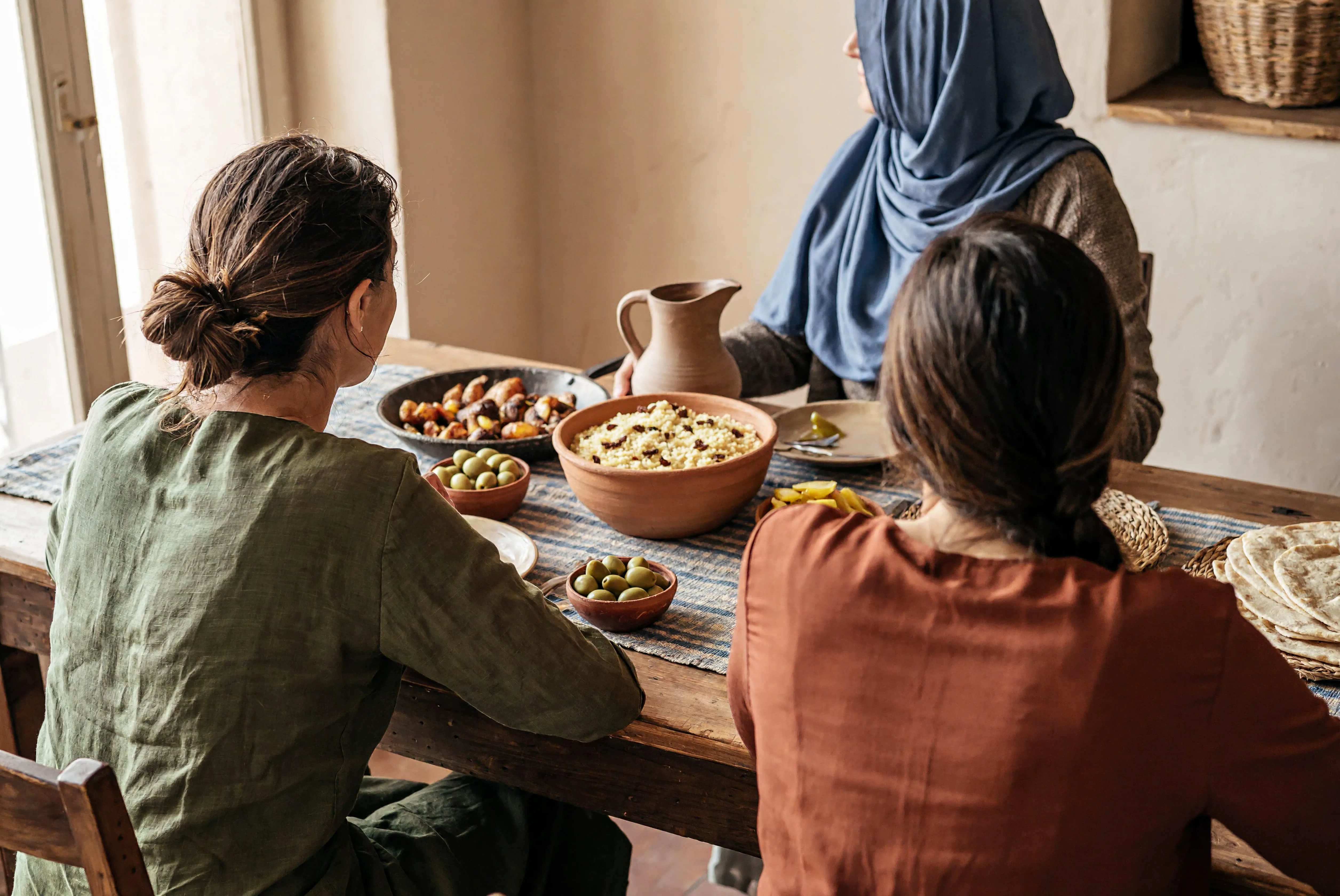
In Tunis, families held a festive meal and sent food portions to girls. In Libya, girls visited one another and held a party together. Both traditions brought participants together, through a meal and food gifts in one setting and visits and a party in the other.
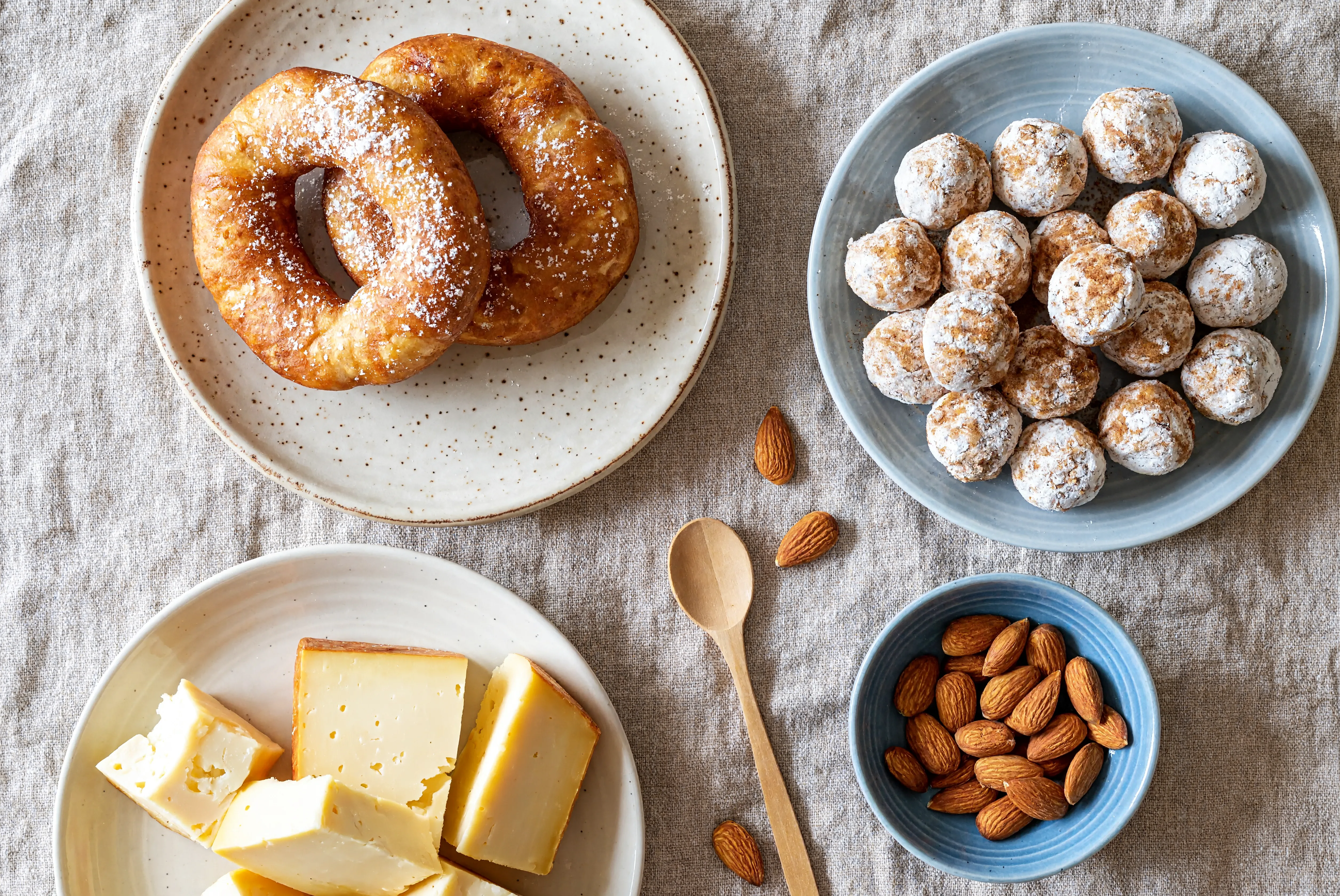
Foods mentioned in connection with these gatherings include bjaouia, sfenj, sweet almond balls, and cheese.
In Djerba, women also preserved a tradition of sacred song. The songs passed orally from generation to generation, though details about their creators were not recorded. Women’s transmission of these songs helped keep the tradition alive even without records identifying the composers.
How do gifts and reconciliation fit into the celebration?
Some Chag HaBanot traditions include mothers giving gifts to daughters and husbands giving gifts to wives. In the past, gifts from relatives also helped girls build a dowry, giving the practice a specific family and historical context.

In Moroccan and Tunisian communities, engaged men also gave gifts to their fiancées on Rosh Chodesh Tevet. This custom marked a particular stage in a couple’s life, alongside the gifts exchanged between mothers and daughters and between spouses.
In Greek Jewish communities, girls reconciled with one another in a practice resembling the reconciliation associated with Yom Kippur. Asking forgiveness and making peace gave women’s solidarity a personal expression. Repairing a strained relationship had a place alongside the meals and gifts.

Women in Tunis and Libya traditionally refrained from work on the holiday. If you’re planning around Chag HaBanot 2026, distinguish that religious custom from employment or school policy: it does not establish an entitlement to time off or indicate that schools will close.
How did bat mitzvah celebrations and renewed interest become part of the tradition?
Some communities held a group celebration for bat mitzvah girls on Chag HaBanot. Afterward, women would approach and kiss the Torah scroll, bringing women and girls together around the holiday.
In the Hebrew year תרפ״ו, community leaders in Tunis decided to hold an annual group bat mitzvah celebration for girls attending the Alliance Israélite Universelle school. The aim was to bring the students closer to Jewish tradition.
Moving to Israel did not guarantee that family observances would continue. Some families stopped celebrating after immigrating, while renewed interest in reviving the holiday later emerged in Israel. The tradition has also survived to some extent among Jews of Tunisian origin in France.
One example in Israel is the annual celebration at the El-Ghriba Association in Jerusalem, a center for Tunisian Jewish heritage, documented since 2011. The celebration includes the “Yekirat HaEdah” honor, recognizing a woman whose work inspires others. This describes the center’s celebration tradition, not confirmation of a particular public event for Chag HaBanot 2026.
ClockZone tools
- Countdown timer
- World clock
- Public holidays in Israel
- Time zone converter
- 2026 public holidays in Israel
References
Imej dalam artikel ini dijana oleh AI.