Sigd 2026: When It Falls and How It’s Observed in Israel
Sigd 2026 falls on Monday, November 9, or 29 Cheshvan 5787. Learn how the date is set and what the holiday’s customs and events in Israel include.
Sigd 2026 falls on Monday, November 9, or 29 Cheshvan 5787. The date follows the Hebrew calendar and comes 50 days after Yom Kippur, so its date on the civil calendar changes from year to year.
The holiday begins the evening before and ends at nightfall on Monday. In Israel, Sigd is marked with community gatherings, prayers, and a central assembly, mainly in Jerusalem.
Why is Sigd celebrated on 29 Cheshvan?
Sigd is one of the holidays of Beta Israel. Its common name is linked to a Ge'ez word meaning worship or service of God.
The connection to Yom Kippur is central to the holiday’s date. Sigd comes 50 days later. In the Beta Israel tradition, it extends personal reflection to the entire community. It is a day of fasting, purification, and renewal, along with a longing for Jerusalem and redemption.
The assembly described in the story of Ezra and Nehemiah is a major source of inspiration for Sigd customs. Different traditions describe how the holiday was established, but all connect it with renewing the covenant and preserving Beta Israel’s identity during periods of war, persecution, and assimilation.
How is Sigd observed in Israel?
The central custom is a ceremony renewing the covenant between the people and God. In Ethiopia, these ceremonies took place on mountaintops as a symbol of Mount Sinai.
During the ceremony, passages from the Mäṣḥafä Qəddus were read, including sections about God’s revelation at Mount Sinai, renewing the covenant, and blessings and curses. The reading was done in Ge'ez and translated into languages spoken in the community, including Amharic or Tigrinya.
At the end, trumpets were sounded, and participants expressed the wish to celebrate the next Sigd in Jerusalem.
In Israel, the central ceremony became established at the Armon Hanatziv Promenade in Jerusalem, overlooking the Temple Mount.
The Israeli format is not identical to the one practiced in Ethiopia, and some customs are observed symbolically in Israel.
What do the fast and ceremony mean religiously?
The fast and prayers give Sigd the character of a public day of reflection. Yom Kippur focuses on the individual’s self-examination, while Sigd adds a commitment by the entire community to renew the covenant and preserve its faith. The prayers also emphasize Jerusalem, the Temple, and the hope of returning to Jerusalem.
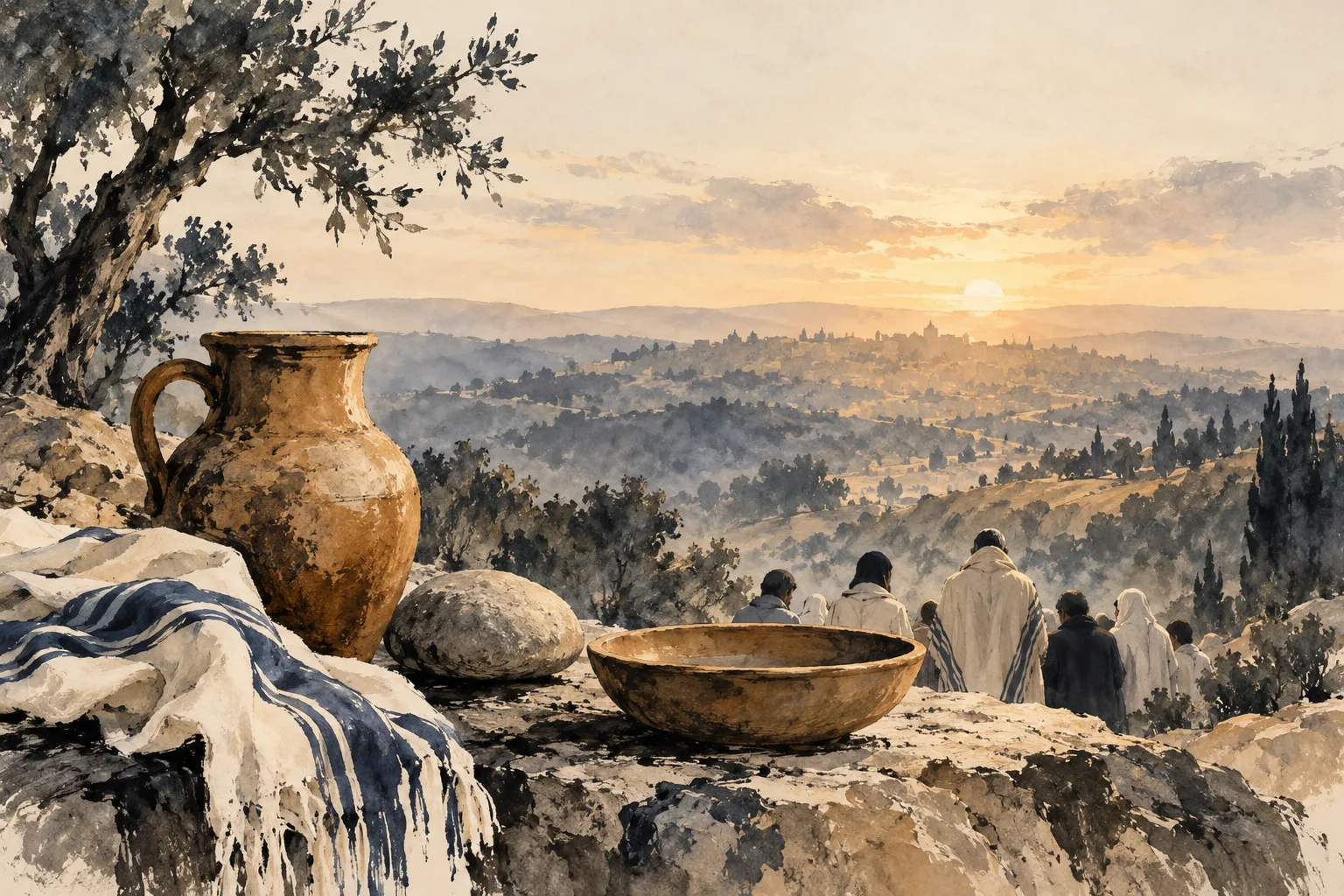
The mountaintop ceremony represents the connection to the revelation at Mount Sinai. Climbing to a high place and reading from sacred books create a public setting for accepting the Torah and renewing religious commitment.
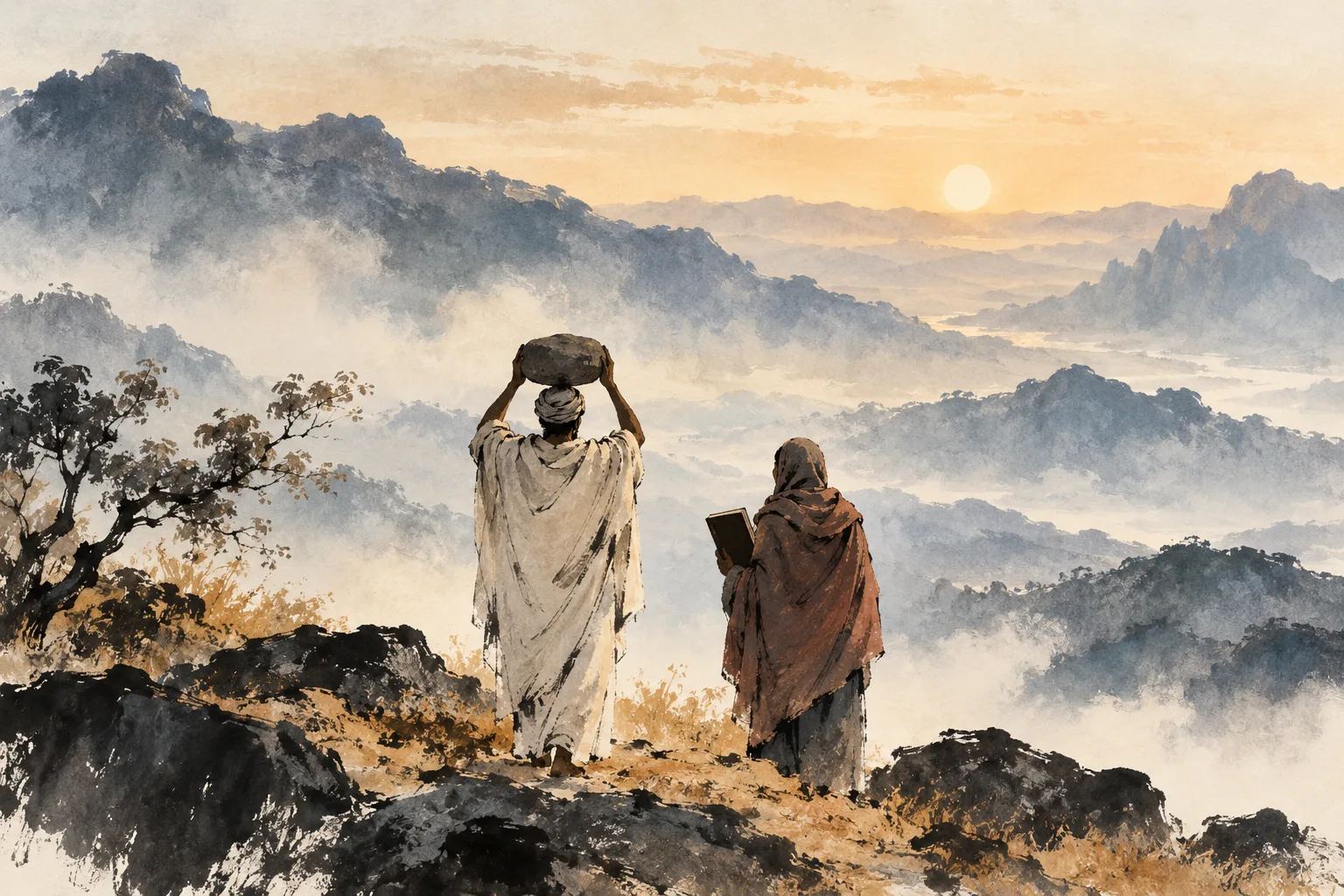
In Ethiopia, some participants carried stones or sacred books on their heads as a sign of submission before God. Many customs are observed symbolically in Israel.
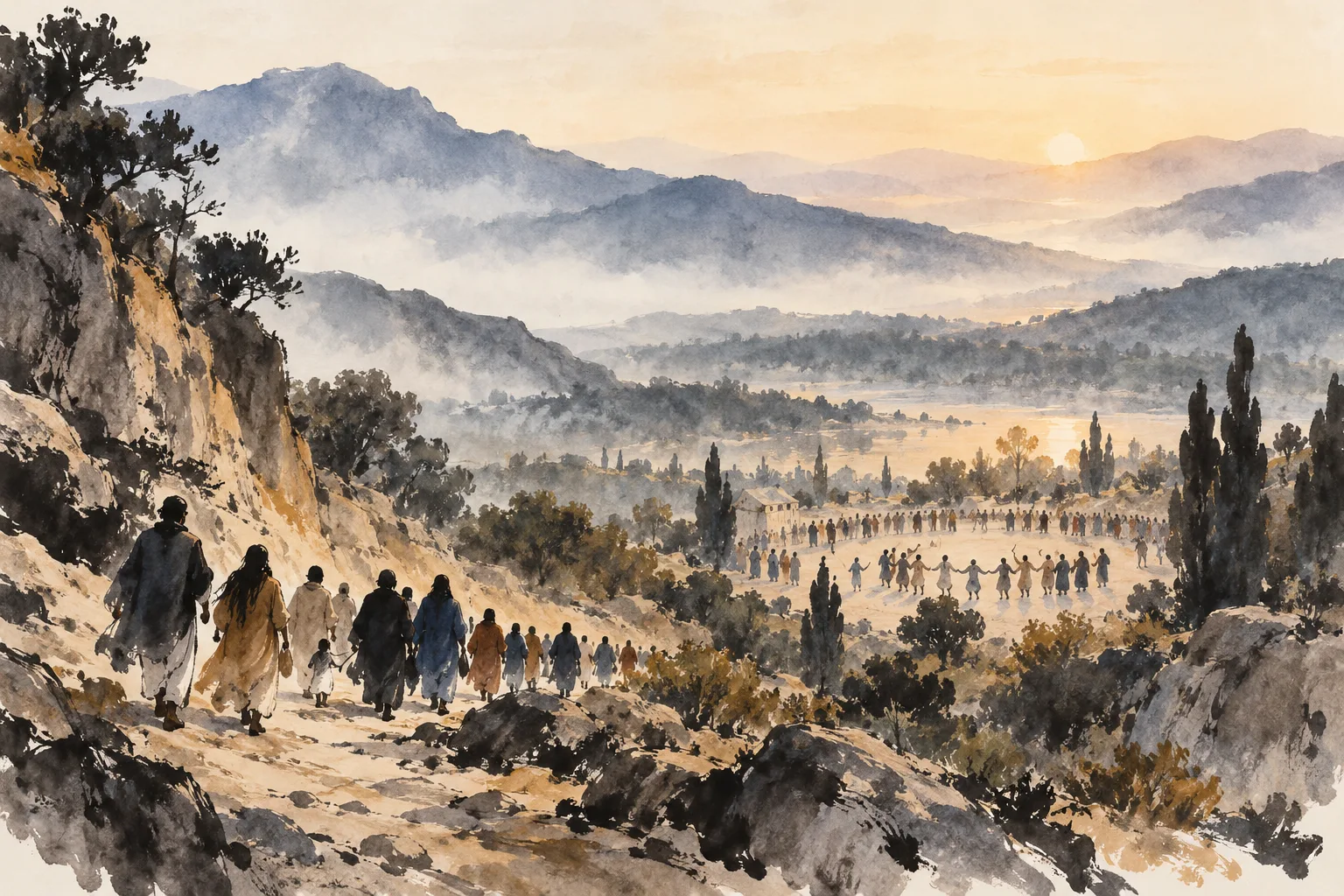
After descending from the mountain, people traditionally returned to the gathering place with singing and dancing. In Israel, the public focus is on the assembly, prayers, and procession.
Is Sigd a day off in Israel?
Since 2008, Sigd has been an official holiday in Israel, and the law designates it as a day of choice.
The law also says that the state will mark 29 Cheshvan with a central assembly and hold educational activities in honor of the holiday. If 29 Cheshvan falls on Shabbat, the law calls for the observance to be moved up to Thursday, 27 Cheshvan.
ClockZone tools
- Countdown timer
- World clock
- Public holidays in Israel
- Time zone converter
- 2026 public holidays in Israel
References
Images in this article are AI-generated.