Xiaoxue 2026: When Minor Snow Begins on November 22 and What the Weather Means
Xiaoxue 2026 begins November 22 at 15:23:03 Beijing time, set by the Sun reaching 240° ecliptic longitude. The date does not predict the same weather everywhere.
Why does Xiaoxue usually fall around November 22?
Xiaoxue 2026, also called Minor Snow, marks one of 24 solar terms based on the Sun’s yearly path along the ecliptic. Each term is set 15° apart. Xiaoxue corresponds to 240° of ecliptic longitude, so its date can shift by a day or two as the Sun moves and the calendar is converted. It does not fall on one fixed date every year. In 2026, the solar term begins on November 22.
Does Xiaoxue mean it will snow everywhere?
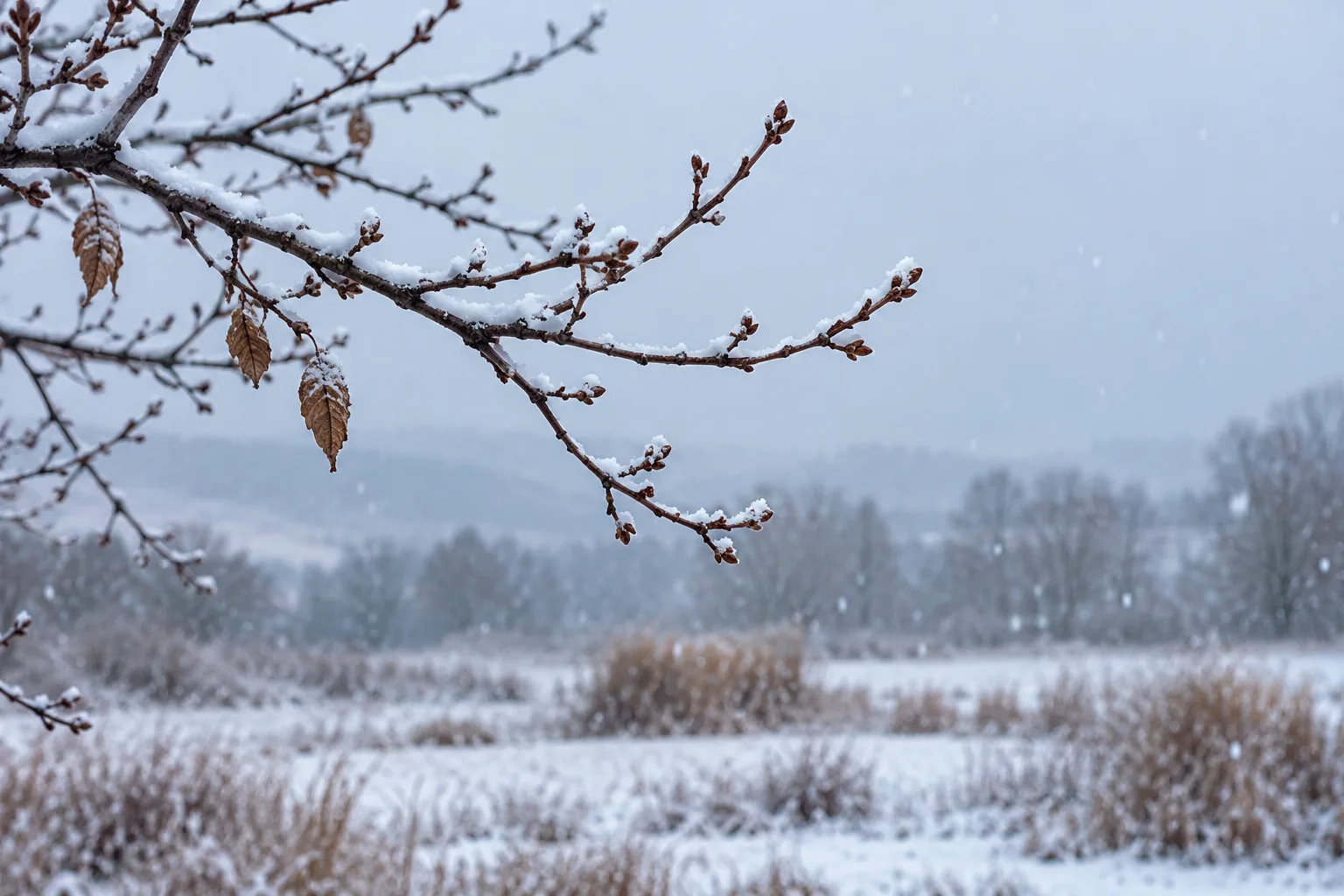
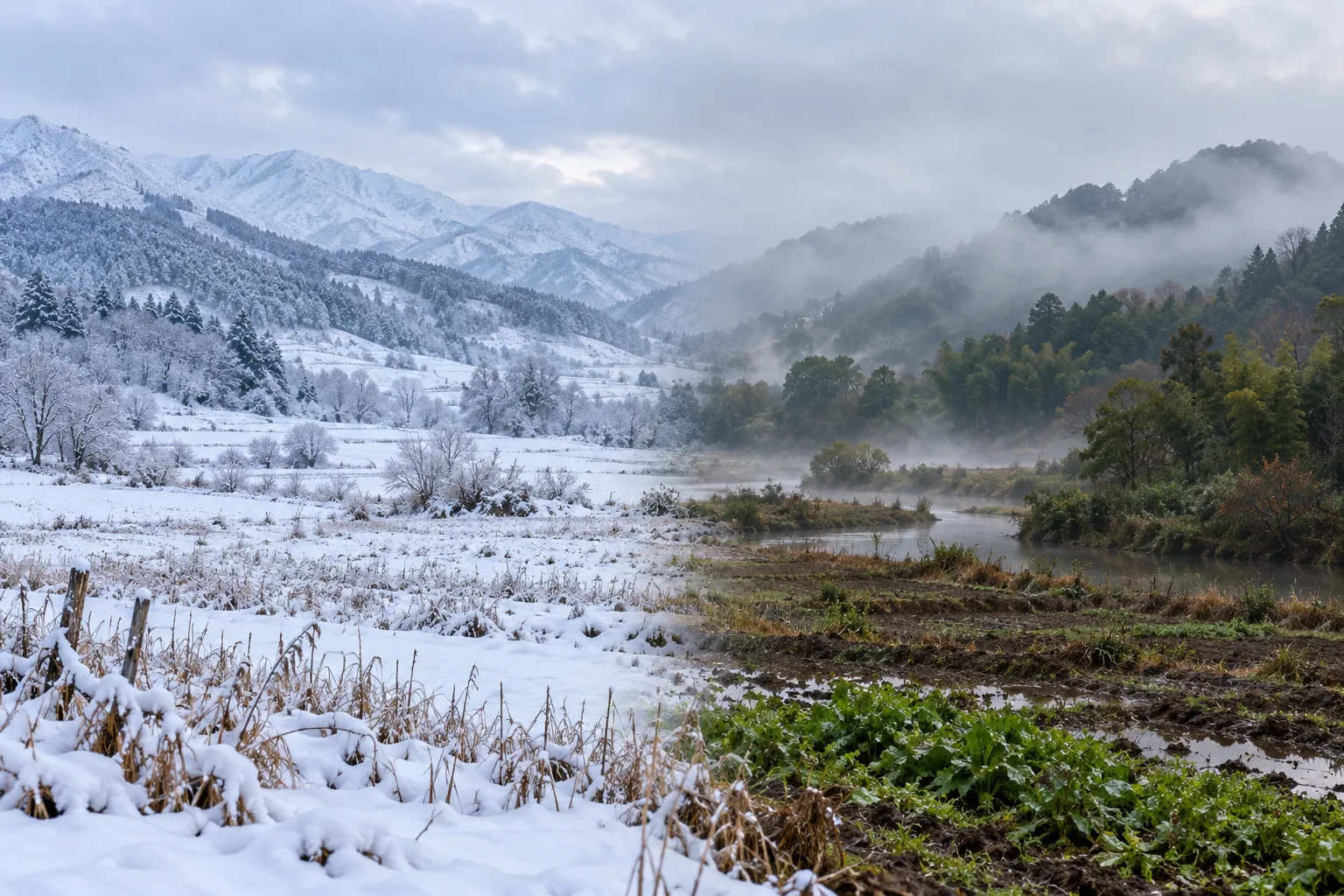
No. Xiaoxue describes a seasonal signal that snow may begin and that snowfall is usually light. It is not a nationwide weather forecast. Solar-term references say snowfall may begin around the Yellow River basin, while some northern areas may already be entering the frozen season. Snow in southern China usually arrives later.
Temperatures, precipitation and the timing of the first snow vary widely from place to place. Northern areas, regions along the middle and lower reaches, and southern China may have completely different weather on the same solar-term date. Even in colder areas, snow may fall only a few times, with limited accumulation. The interaction between cold air and warm, moist air also affects how heavy the snowfall becomes. Calling Xiaoxue a nationwide “snow day” is therefore inaccurate.
Are cured meat and sticky rice cakes Xiaoxue customs everywhere?
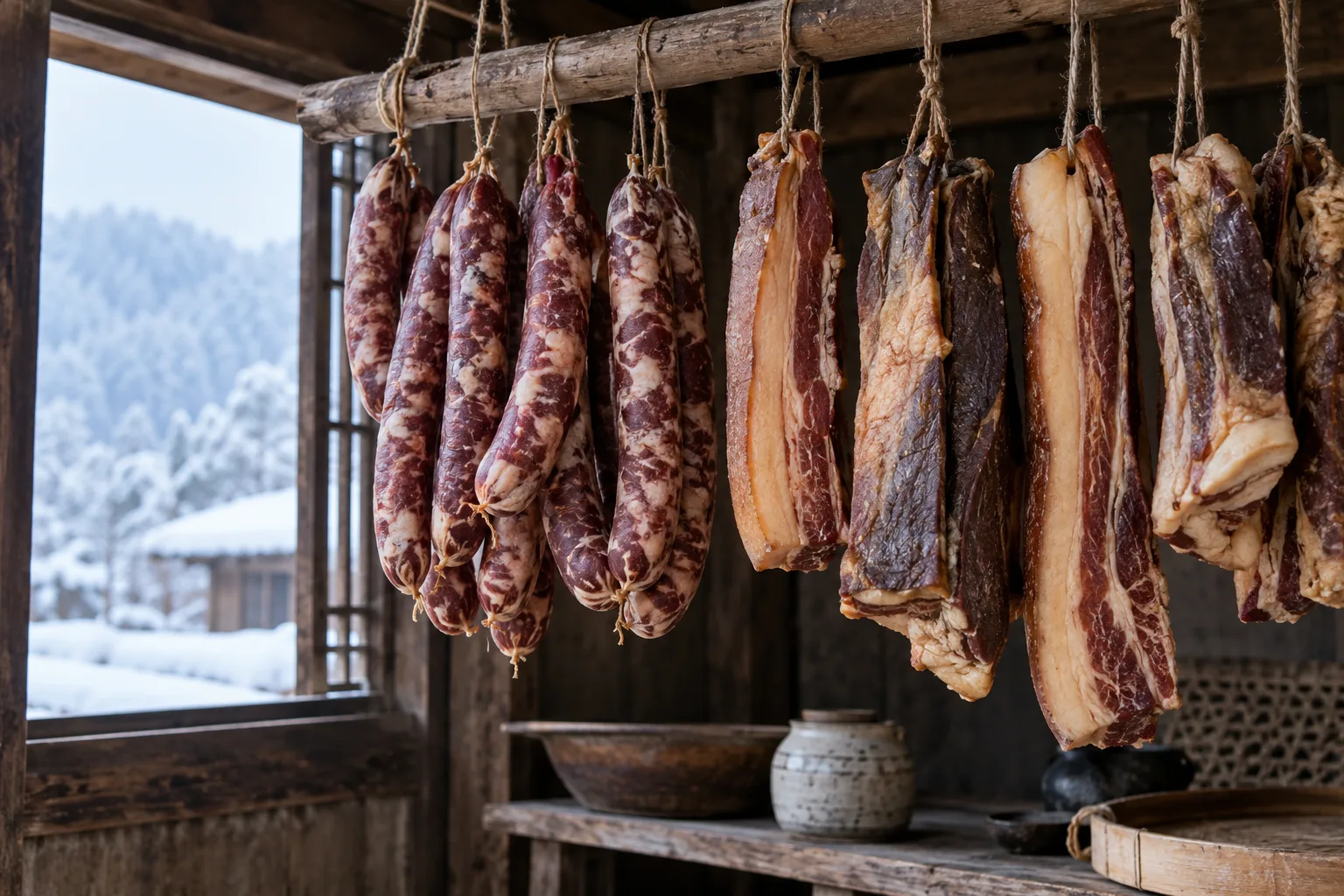
No. As temperatures fall and the air becomes drier around Xiaoxue, some families and farming households begin making sausages and cured meat. A traditional saying, “冬腊风腌,蓄以御冬,” describes curing food in winter to store it for the season. This is a seasonal practice in some areas, not one custom shared across China. It also does not mean every region follows the same eating traditions.
Some places in southern China traditionally eat sticky rice cakes during the tenth month of the lunar calendar. Historical records describe sticky rice cakes as festival offerings in parts of southern China, and they were also connected with folk activities such as worshiping the cattle deity. The details matter: this refers to some places and the tenth lunar month. It is not a food that every region must eat on November 22 in the Gregorian calendar, nor is it a ritual required by the Xiaoxue solar term.
The meaning of “the start of winter” also depends on the local climate. Xiaoxue comes after Lidong, or the Start of Winter, and can mark a seasonal transition. China covers a large area, though, so local weather does not switch over everywhere on the same day. Treating Xiaoxue as the uniform start of winter can blur the difference between a solar-term name and local weather.
Xiaoxue 2026 falls on a Sunday. Any make-up workday or other scheduling arrangement should be checked against the official holiday schedule for that year and the employer’s notice. The solar-term date alone cannot determine work arrangements.
ClockZone tools
- Countdown timer
- World clock
- Public holidays in China
- Time zone converter
- 2026 public holidays in China
References
Images in this article are AI-generated.