Daylight Saving Time 2026: When Clocks Spring Forward
Discover when Daylight Saving Time 2026 begins, why we spring forward on March 8, and how this time change affects your sleep, health, and daily routine.
Every year, as winter loosens its grip and the promise of longer, warmer days begins to feel real, millions of Americans brace themselves for one of the most talked-about annual rituals in modern life — the clock change. On Sunday, March 8, 2026, Daylight Saving Time (DST) will begin across most of the United States, nudging clocks forward by one hour and officially kicking off the season of extra evening sunlight. Whether you love the longer evenings or dread losing that precious hour of sleep, Daylight Saving Time is a phenomenon that touches virtually every aspect of daily life — from when you wake up and eat dinner to how businesses operate and how your body feels for days afterward. In this comprehensive guide, we'll explore everything you need to know about Daylight Saving Time 2026: its origins, how it works, its regional quirks, its surprising health effects, and practical tips to help you make the most of the change.
What Is Daylight Saving Time and Why Does It Exist?
At its most basic level, Daylight Saving Time is the practice of setting clocks one hour forward during the warmer months of the year so that darkness falls later in the day. When DST begins in spring, we "spring forward" — losing an hour of morning light but gaining an extra hour of evening daylight. When it ends in the fall, we "fall back," reclaiming that lost hour as the nights grow long again.
The core logic behind DST is deceptively simple: rather than wasting morning daylight hours while most people sleep, we shift the clock so that usable daylight aligns better with waking hours. In theory, this reduces the need for artificial lighting in the evening, potentially saving energy and enabling people to enjoy outdoor activities after work or school.
But Daylight Saving Time is far more than just a pragmatic energy policy. It has become deeply embedded in cultural routines, seasonal rhythms, and even popular culture. Phrases like "spring forward, fall back" are immediately understood by nearly every American, and the biannual clock change triggers a predictable wave of conversations, complaints, and debate every single year.
A Brief History: Where Did Daylight Saving Time Come From?
The story of Daylight Saving Time stretches back more than a century, and its origins are surprisingly layered. The idea is most commonly attributed to Benjamin Franklin, who in 1784 wrote a satirical letter to the editors of the Journal of Paris suggesting that Parisians could save money on candles by waking up earlier to make use of morning sunlight. However, Franklin's suggestion was more of a joke than a serious policy proposal, and he was not advocating for clock changes per se.
The person most credited with seriously proposing the modern concept of DST is William Willett, a British builder and avid golfer who noticed how many people slept through beautiful summer mornings. In 1907, Willett published a pamphlet called The Waste of Daylight, in which he proposed advancing clocks by 80 minutes during the summer months in 20-minute increments. Despite his passionate campaigning, Willett died in 1915 — just one year before the United Kingdom finally adopted a version of the practice.
It was actually Germany that became the first country to formally implement Daylight Saving Time during World War I, introducing the clock change on April 30, 1916. The motivation was wartime energy conservation — saving coal to fuel the war effort. Britain followed suit weeks later, and many other countries soon adopted similar measures.
The United States first observed DST nationally in 1918 under the Standard Time Act, once again driven by wartime energy-saving goals. However, the practice proved deeply unpopular in rural areas, and Congress repealed it in 1919 after the war ended. During World War II, DST returned nationally as "War Time," and after the war, states and localities were left to manage their own time policies — leading to a famously chaotic patchwork of time zones and clock change dates.
The chaos was eventually standardized with the Uniform Time Act of 1966, which established a national DST framework, though it still permitted individual states to opt out. This is the foundation of the system we use today, later refined by the Energy Policy Act of 2005, which extended DST to run from the second Sunday in March to the first Sunday in November — the schedule that places the 2026 spring forward on March 8.

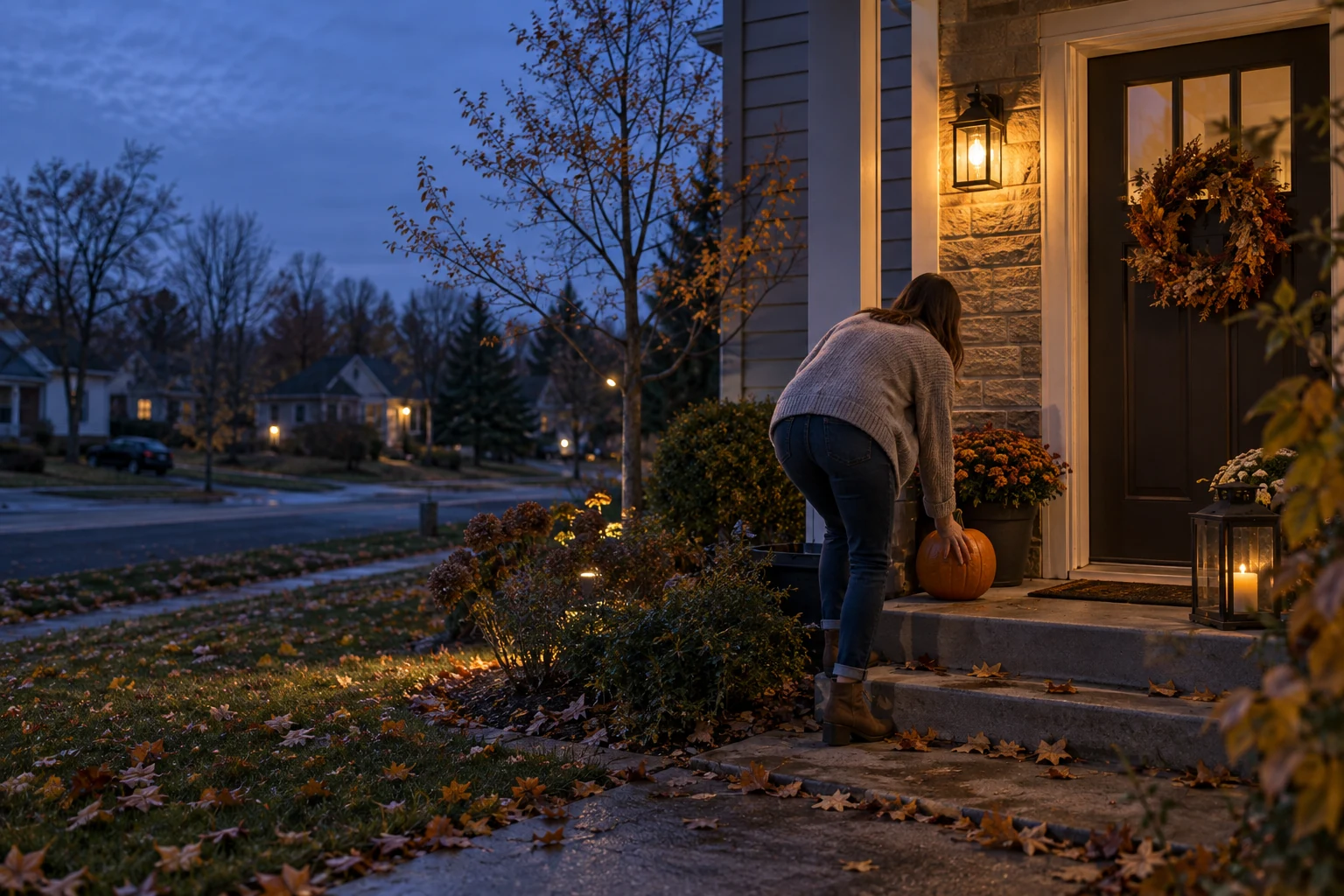
Photo by Janita Top on Unsplash
How Daylight Saving Time Works: The Mechanics of Springing Forward
The mechanics of DST are straightforward but worth understanding clearly, especially if you're coordinating schedules, planning travel, or simply trying not to miss Sunday brunch.
At 2:00 AM on Sunday, March 8, 2026, clocks in DST-observing regions jump forward to 3:00 AM. In practical terms, this means:
- You lose one hour of sleep on the night of March 7–8
- Sunrise and sunset times both shift approximately one hour later
- The change happens overnight on a Sunday to minimize disruption to work and school schedules
- Most digital devices — smartphones, computers, smart appliances — update automatically
- Analog clocks, older alarm clocks, car clocks, and some microwaves must be updated manually
The end of DST in 2026 will occur on Sunday, November 1, 2026, when clocks fall back to standard time, and you'll regain that hour of sleep you gave up in March.
Who Observes Daylight Saving Time in the U.S.?
The vast majority of the United States follows the standard DST schedule, but there are important exceptions:
- Arizona (except the Navajo Nation) does not observe DST and remains on Mountain Standard Time year-round
- Hawaii does not observe DST and stays on Hawaii-Aleutian Standard Time
- Several U.S. territories, including Puerto Rico, the U.S. Virgin Islands, Guam, American Samoa, and the Northern Mariana Islands, also do not change their clocks
It's worth double-checking local rules if you're traveling to or communicating with people in these regions around the time of the change.
The Health Effects of Springing Forward
One of the most hotly debated aspects of Daylight Saving Time is its impact on human health. And the science is genuinely fascinating — and a bit unsettling.
Sleep Disruption
Losing even one hour of sleep might not sound significant, but research consistently shows that the spring clock change is associated with measurable health consequences. The human body runs on a circadian rhythm — an internal 24-hour clock regulated by light exposure, temperature, and routine. Suddenly shifting that rhythm forward by one hour creates a kind of mini-jet lag that can last anywhere from a few days to two full weeks.
Studies have found that in the days immediately following the spring forward:
- Car accident rates increase — sleep-deprivation-related crashes have been documented to rise by as much as 6%
- Workplace injuries spike, particularly in industries requiring physical alertness
- Heart attack rates have been found to increase by approximately 24% in the first week after the spring change, according to research published in the journal Open Heart
- Mood disruptions, irritability, and cognitive sluggishness are commonly reported
Mental Health Considerations
Beyond the acute physical effects, some researchers have noted links between the DST transition and increased rates of depression and anxiety, particularly in populations already vulnerable to seasonal affective disorder (SAD). The disruption to morning light exposure in the days immediately following the spring forward can throw off serotonin and melatonin production in ways that affect mood.
Tips for Adjusting to the Time Change
The good news is that a little preparation goes a long way. Here are some evidence-based strategies for making the March 8, 2026 transition as smooth as possible:
- Start shifting your bedtime gradually in the week before the change, going to bed 15–20 minutes earlier each night
- Get morning light exposure in the days after the change to help reset your circadian rhythm
- Avoid caffeine and alcohol close to bedtime during the adjustment period
- Keep your sleep environment dark, especially in the morning, when sunrise will be earlier than your body expects
- Exercise regularly — physical activity helps regulate sleep cycles and supports mood

Photo by Brandon Cormier on Unsplash
Regional Variations and Global Perspectives
Daylight Saving Time is not a universal practice, and the variations around the world reveal fascinating cultural and political attitudes toward time itself.
Around the World
- The European Union observes DST, but has been debating abolishing it for years. In 2019, the European Parliament voted to end the biannual clock change, though implementation has stalled amid disagreements about whether to standardize on permanent summer or winter time
- Russia abolished seasonal clock changes in 2014, opting to stay on "permanent summer time"
- China, despite spanning five natural time zones, observes a single standard time and does not use DST
- Australia observes DST in its southern states (New South Wales, Victoria, South Australia, and Tasmania) but not in Queensland, Western Australia, or the Northern Territory — mirroring some of the regional patchwork seen in the U.S.
- Japan and most of East Asia do not observe DST
- Many countries near the equator skip DST entirely, since daylight hours don't vary enough seasonally to make the change worthwhile
The Ongoing Debate in the United States
The U.S. has been locked in a vigorous public debate about whether to abolish the biannual clock change. In March 2022, the U.S. Senate unanimously passed the Sunshine Protection Act, which would have made Daylight Saving Time permanent — eliminating the need to ever spring forward or fall back again. However, the bill stalled in the House of Representatives and was never signed into law.
Supporters of permanent DST argue it would improve public health, reduce traffic accidents, boost evening economic activity, and eliminate the disruptive biannual transition. Critics counter that permanent DST would mean darker winter mornings, potentially harming children who commute to school before sunrise and disrupting circadian rhythms in the opposite direction.
The debate remains unresolved, meaning that in 2026, Americans will once again be setting their clocks forward on March 8 — regardless of how the political winds may shift in coming years.
Interesting Facts and Statistics About Daylight Saving Time
Daylight Saving Time generates a remarkable volume of data, debate, and surprising trivia. Here are some of the most compelling facts:
- Approximately 1.6 billion people in roughly 70 countries around the world observe some form of Daylight Saving Time
- The energy savings originally promised by DST have proven smaller than expected. Some studies suggest DST may actually increase energy consumption in certain regions, as people use more air conditioning during longer warm evenings
- Candy manufacturers in the U.S. famously lobbied in the 1980s and again in 2005 to extend DST through Halloween, allowing trick-or-treaters to go out in daylight longer — a consumer-driven influence on national time policy
- The Internet thrums every spring with the perennial question: "Do we gain or lose an hour?" — and the answer always trips people up. In spring, we lose an hour (clocks go forward, we get less sleep). In fall, we gain an hour
- A single state, Indiana, had such a complicated history with DST that different counties observed different time policies simultaneously for decades before the state standardized in 2006
- The phrase "spring forward, fall back" is one of the most reliable memory devices in common use, known to virtually every American schoolchild

Photo by Greg Rosenke on Unsplash
Practical Information for Daylight Saving Time 2026
Mark your calendar clearly: Daylight Saving Time 2026 begins on Sunday, March 8, 2026 at 2:00 AM local time in all DST-observing regions of the United States.
Key Dates at a Glance
| Event | Date |
|---|---|
| DST Begins (Spring Forward) | Sunday, March 8, 2026 |
| Clocks change at | 2:00 AM → 3:00 AM |
| DST Ends (Fall Back) | Sunday, November 1, 2026 |
| Duration of DST 2026 | ~238 days |
What You Should Do to Prepare
The Saturday night before (March 7):
- Set analog clocks forward one hour before going to bed
- Check that battery-operated clocks and wall clocks are updated
- Confirm your car clock will need manual updating
- Consider going to bed slightly earlier than usual
Sunday, March 8:
- Don't be surprised if you feel groggier than normal — it's the sleep debt talking
- Check any scheduled alarms, appointments, or meetings to confirm they haven't been affected by automatic device updates
- Enjoy the extra hour of evening light!
The following week:
- Be patient with yourself as your body adjusts
- Prioritize sleep and morning light exposure
- If you manage teams or international schedules, double-check meeting times with colleagues in non-DST regions
Travel and Scheduling Considerations
If you're traveling or coordinating with people internationally around March 8, 2026, be aware that not all countries change their clocks at the same time (or at all). For example, Europe's clock change in 2026 will occur on Sunday, March 29, 2026 — a full three weeks after the U.S. change. This means that for those three weeks, the time difference between the U.S. and European cities will be one hour off from what it normally is.
This is a common source of confusion for international business, travel, and remote teams, so double-check your scheduling tools and verify time zones explicitly during these transition periods.
The Modern Relevance of Daylight Saving Time: Why It Still Matters
In an era of smartphones and 24/7 connectivity, one might wonder whether something as seemingly analog as DST still carries meaningful weight. The answer is: absolutely yes, and perhaps now more than ever.
Economic Impact
Research consistently shows that DST has measurable economic effects. The extended evening daylight hours are associated with:
- Increased retail spending, particularly in outdoor recreation, dining, and entertainment sectors
- Higher participation in after-work sports and fitness activities
- Improved tourism in regions with attractive evening outdoor environments
- The U.S. Chamber of Commerce has historically supported DST for these economic benefits
Technology and the Connected World
Modern technology has made the mechanical aspects of DST easier than ever — most devices update automatically — but it has also highlighted the complications of operating across a world that doesn't agree on when or whether to change time. Software engineers, database administrators, and IT professionals spend significant effort managing DST-related bugs and edge cases every single year. The time change is one of the most common sources of scheduling errors in enterprise software.
Health Advocacy and Policy
Growing awareness of DST's health impacts has fueled a significant public health advocacy movement. Organizations like the American Academy of Sleep Medicine have officially called for the elimination of seasonal time changes in favor of permanent standard time. This mainstream medical consensus is increasingly shaping the policy conversation and may ultimately influence whether future generations continue the spring-forward, fall-back ritual.
How to Participate and Make the Most of DST
Rather than dreading the time change, here are some ways to embrace and even celebrate the arrival of Daylight Saving Time 2026:
- Plan an outdoor evening activity for the first week — a walk after dinner, a backyard barbecue, or a bike ride
- Use the longer evenings to start a new fitness routine, garden, or simply spend more time outside before dark
- Check the batteries in your smoke and carbon monoxide detectors — the time change is a widely recommended reminder to do this safety check
- Share the countdown with friends and family who might be tracking the date
- Educate kids about why we change the clocks — it's a great science and history conversation starter

Photo by KaLisa Veer on Unsplash
Looking Ahead: The Future of Daylight Saving Time
The 2026 spring forward may feel routine, but it exists against a backdrop of genuine uncertainty about the long-term future of DST in America and around the world.
The political and scientific conversation has never been more active. With the American Academy of Sleep Medicine, the American Heart Association, and numerous sleep researchers calling for an end to clock changes, and with legislation like the Sunshine Protection Act demonstrating real bipartisan political support, it's plausible — though far from certain — that the number of times Americans spring forward could be limited.
The fundamental disagreement isn't really about the clock change itself but about what we'd replace it with. Permanent Daylight Saving Time would give us bright evenings year-round but dark winter mornings. Permanent Standard Time would preserve natural morning light but return us to evenings that darken early in winter. Each option has passionate advocates and real trade-offs, reflecting deeper questions about how we collectively want to organize our time and what we value most in our daily rhythms.
For now, though, **March 8, 2026