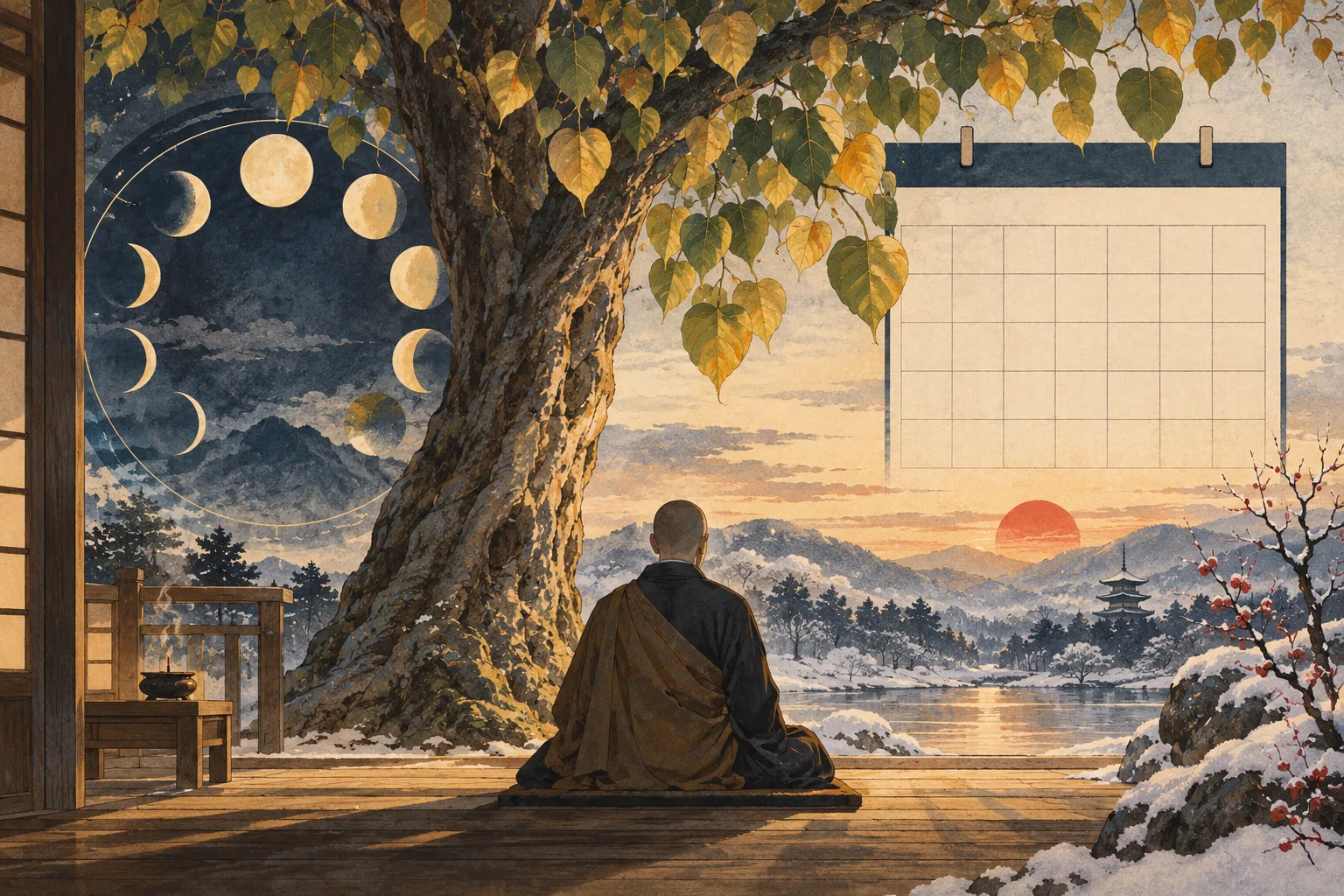
Bodhi Day 2026: December 8 observance and Buddhist calendar traditions
Bodhi Day is December 8, 2026, in Japan and many Mahayana communities. Meditation, chanting and study mark the Buddha’s awakening, though calendars and customs vary.
Bodhi Day falls on December 8, 2026, in Japan and many Mahayana communities that observe the Buddha’s awakening on the Gregorian calendar. In Japanese Zen, it is called Rohatsu or Rohachi. Other Japanese schools use Shaka-Jōdō-e or Jōdō-e. The December 8 date became established in Japan during the Meiji Restoration, as the country adopted the Western calendar.
The date does not define the same period of observance for every community. Japanese Zen practice may continue through the preceding night. The Chinese Laba festival follows the eighth day of the twelfth month in the Chinese lunar calendar and usually falls in the first half of January. Japan’s December date should not be applied to every Bodhi-related observance in China, Korea, Vietnam or Taiwan.
The awakening at the center of Bodhi Day
Bodhi Day commemorates the enlightenment of Gautama Buddha, also known as Shakyamuni. According to Buddhist tradition, Siddhartha Gautama left behind years of severe ascetic practice and sat in meditation beneath a tree later known as the Bodhi Tree. He sought to understand suffering and release from it. After awakening, he became a Buddha, or “Awakened One.”
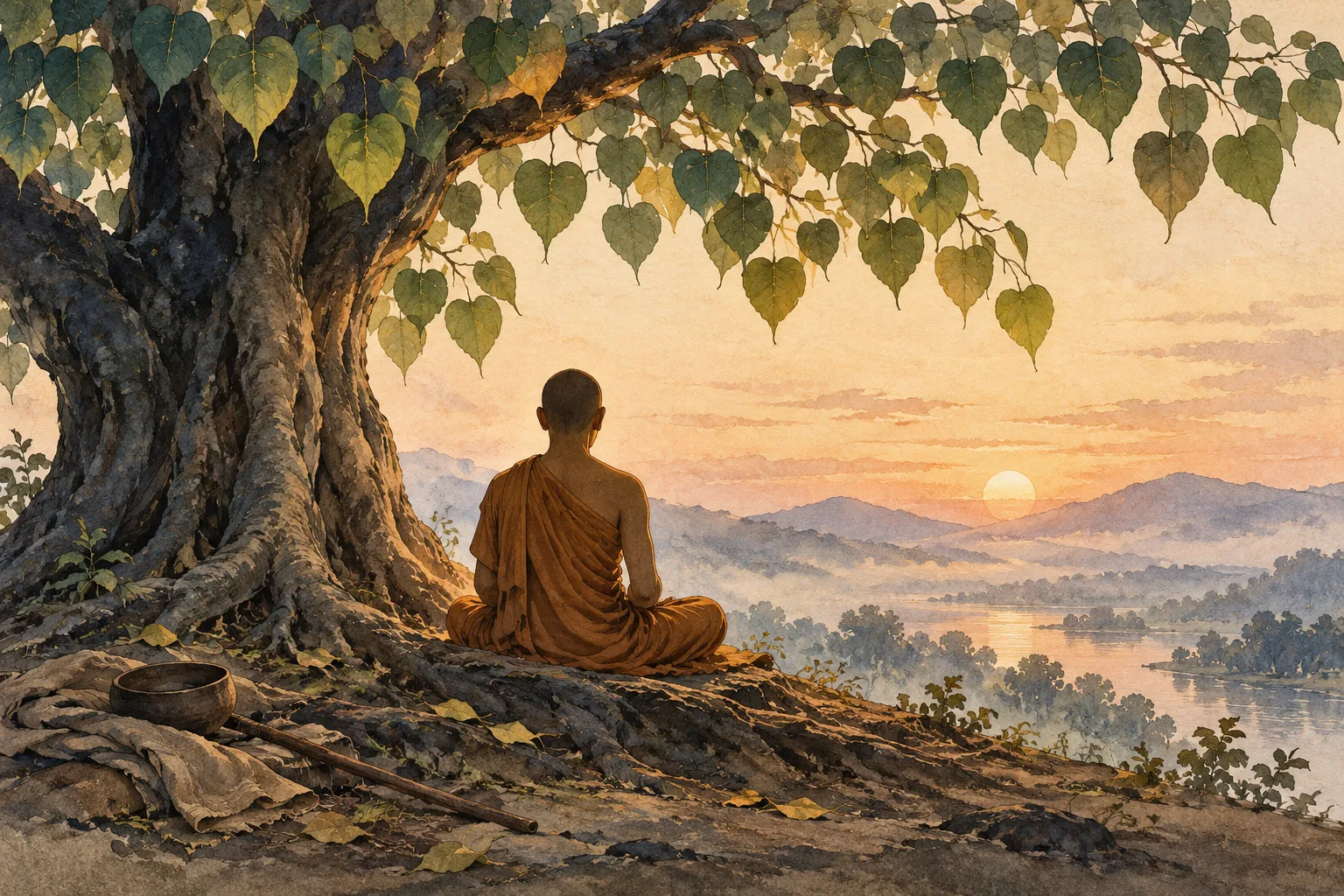
Traditional accounts describe discoveries unfolding during the night: knowledge of previous lives, an understanding of karma and the Noble Eightfold Path, and recognition of the Four Noble Truths before the experience of nirvana. The observance centers on that awakening and its meaning for Buddhist practice.
Bodhi Day is observed in mainstream Mahayana traditions in China, Korea, Japan, Vietnam and Taiwan. In many Buddhist settings, it is less widely celebrated than Vesak, which may commemorate the Buddha’s birth, enlightenment and passing away together. These observances follow different calendars and traditions, not a single worldwide holiday schedule.
Observance varies by Buddhist school and community. People may devote additional time to meditation, study the Dharma, chant Buddhist texts known as sutras, or perform kind acts toward other beings.
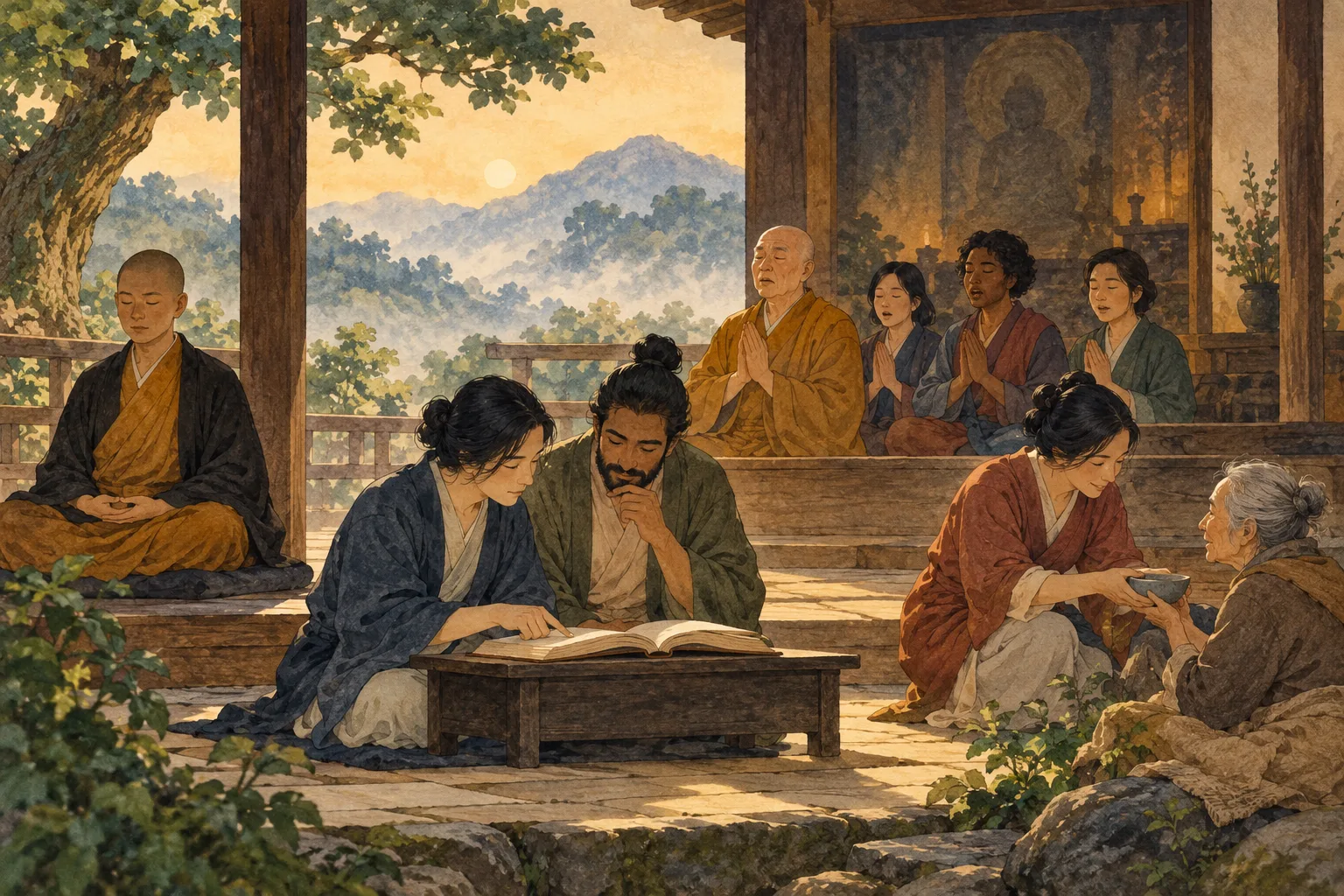
Some celebrations include tea and cake with readings. No single meal or ceremony applies to all communities.
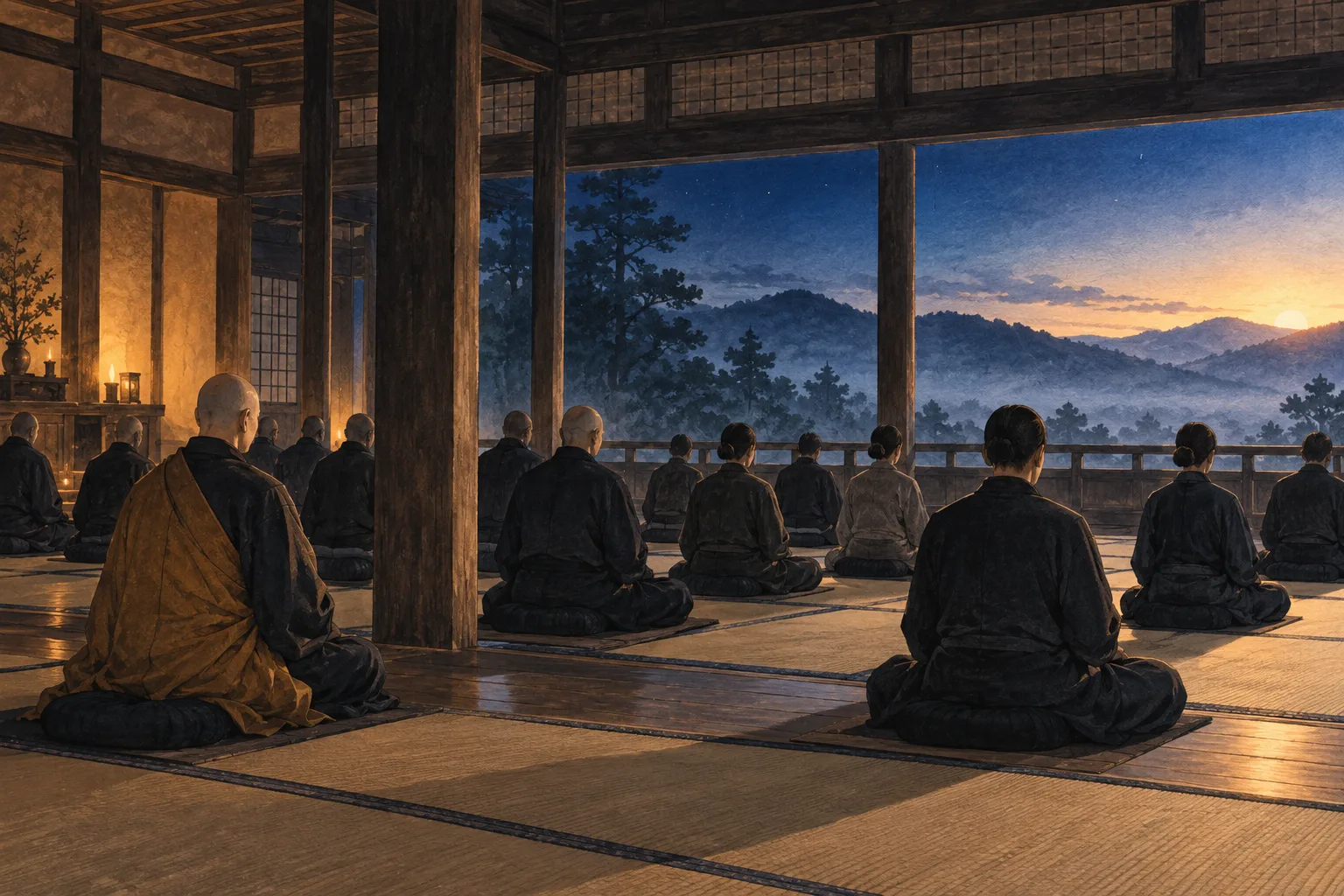
Japanese Zen gives Rohatsu a demanding form. Monks and lay followers may remain awake throughout the preceding night to meditate. An intensive sesshin often precedes the observance. December 8 can therefore sit within a longer period of meditation rather than mark an event that begins at midnight.
In other Japanese Buddhist schools, Jōdō-e or Shaka-Jōdō-e marks the same broad subject: Shakyamuni’s attainment of enlightenment. Chinese communities may connect Bodhi-related observance with Laba, whose lunar-calendar date falls in a different part of the year. A temple’s own calendar matters when checking the timing of services or practice periods.
Bodhi Day should not automatically be treated as a nationwide day off. The calendar date alone does not establish public-holiday status, school closures or paid leave in Japan or elsewhere. Those arrangements need confirmation from the relevant government, school or employer.
Temple schedules are a separate matter. Meditation, chanting, Dharma readings or services may be part of the observance. Japanese Zen communities may also hold a preceding sesshin or overnight meditation.
ClockZone tools
- Countdown timer
- World clock
- Public holidays in Japan
- Time zone converter
- 2026 public holidays in Japan
References
Las ilustraciones de este artículo se han generado con IA.