Omisoka 2026: December 31, Soba, Temple Bells, and Japan’s New Year’s Eve Traditions
Artikel ini belum tersedia dalam Melayu. Anda sedang membaca versi Inggeris.
Omisoka 2026 falls on Thursday, December 31. Learn about Japan’s New Year’s Eve customs, from toshikoshi soba and 108 temple bells to traditions in Kyoto and Oga.
Omisoka 2026, Japan’s New Year’s Eve, falls on Thursday, December 31. Under Japan’s current calendar, Omisoka is always December 31.
Why is Omisoka on December 31?
The word misoka once meant the last day of each month in Japan’s old calendar. Omisoka was the final misoka of the year: the last day of the 12th month, or of the intercalary 12th month when one occurred.
The name also preserves an older way of counting. Miso meant “thirty,” and misoka originally referred to the 30th day. Months in the old calendar varied in length, though, so a month could end on the 29th rather than the 30th.
Under lunisolar calendars such as the Tenpo calendar, Omisoka fell on December 29 or December 30. Japan’s adoption of the Gregorian calendar in 1873 moved it to December 31. That calendar change explains why a name associated with “thirty” now refers to the 31st.
You may also come across the name Otsugomori. Tsugomori, another word for the last day of the month, developed from tsukigomori, meaning the moon’s concealment. This alternative name preserves the day’s connection to the moon.
How do people spend Omisoka 2026?
Omisoka has long been a day for welcoming Toshigami, the deity of the new year, into the home. This belief sits behind year-end customs, including the traditions associated with soba and temple bells.
The night when the year changes is called Joya. In the past, people stayed awake all night to welcome Toshigami. The observance looked ahead to the new year as much as it marked the end of the old one.
Another tradition is to finish the year’s unfinished business so the new year can begin with a fresh start. Cleaning the house, repaying debts, performing rites to ward off misfortune, and bathing are examples. Getting those tasks done left time to spend the year’s final hours at ease.
Watching television is also a familiar way to spend the evening at home. NHK’s Kohaku Uta Gassen and Yuku Toshi Kuru Toshi are well-known examples.
What does New Year’s Eve soba symbolize?
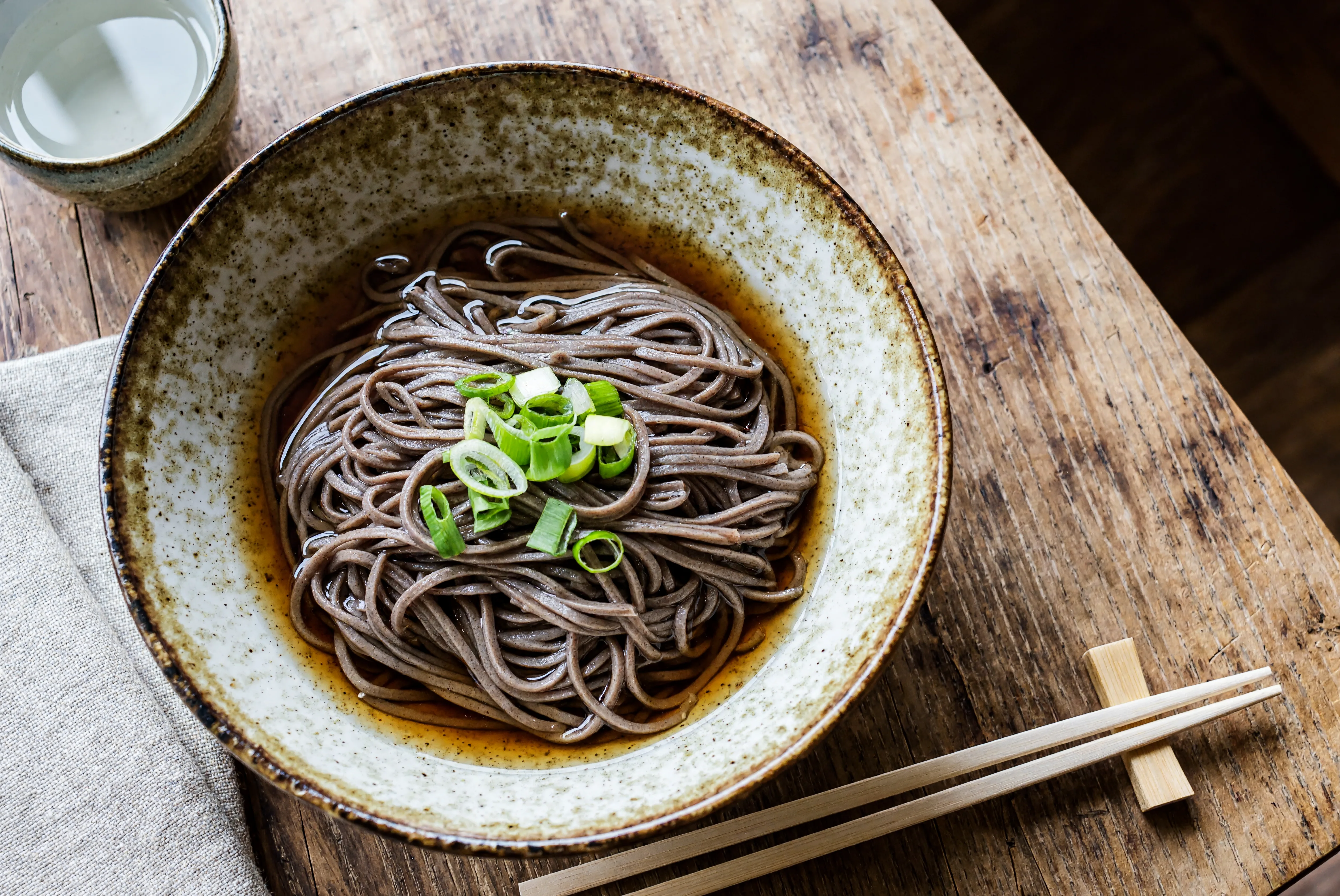
Eating soba to welcome the new year is a familiar Omisoka custom. To understand the dish, it helps to separate the history of eating it from the meanings attached to it. Toshikoshi soba, or year-crossing soba, is associated with wishes for a long life and protection from misfortune.
By the middle of the Edo period, soba was regarded as a healthy food. People also ate it at the end of the month and at seasonal turning points. Soba eaten on old-calendar New Year’s Eve or at Risshun, the beginning of spring, is said to have become known as toshikoshi soba from the Meiji period onward.
The noodles’ long, thin shape is linked to the wish for a long, healthy life. Their shape became a symbol of hopes for the year ahead.
Another explanation focuses on how easily soba noodles break, associating them with cutting off the past year’s misfortunes. These are traditional meanings attached to the dish, not a single established account of its origin.
Why do temple bells ring 108 times?
The large bells found at many Buddhist temples are called bonsho.
The 108 bell strikes associated with New Year’s Eve come from Buddhist thought. People are said to have 108 worldly desires or afflictions, known as bonno. Each strike corresponds to one of them, with the ringing intended to dispel these sources of suffering.
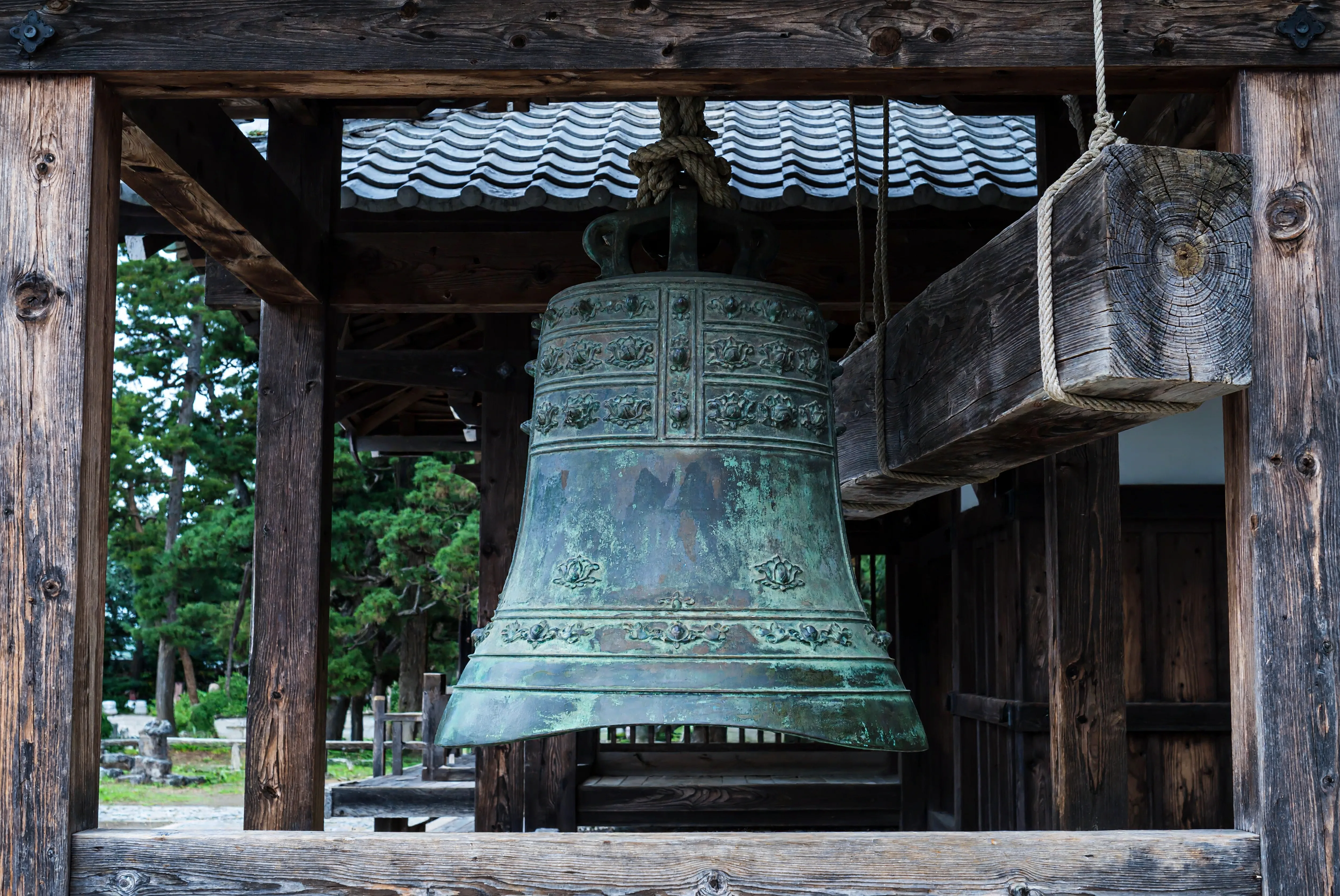
Joya refers to the night when the year changes, while Joya no Kane names the bell-ringing custom. The number 108 refers to the Buddhist afflictions, not the number of visitors taking part.
The local customs below describe traditional observances, not confirmed visitor arrangements for 2026.
What is Okera Mairi at Kyoto’s Yasaka Shrine?
Among the regional customs associated with Omisoka 2026 is Okera Mairi at Yasaka Shrine in Kyoto. This traditional observance takes place from New Year’s Eve night through dawn on New Year’s Day.
Okera is a plant in the aster family, also written as 白朮. Its dried roots give off a strong smell when burned, and that smell has traditionally been believed to drive away evil influences.
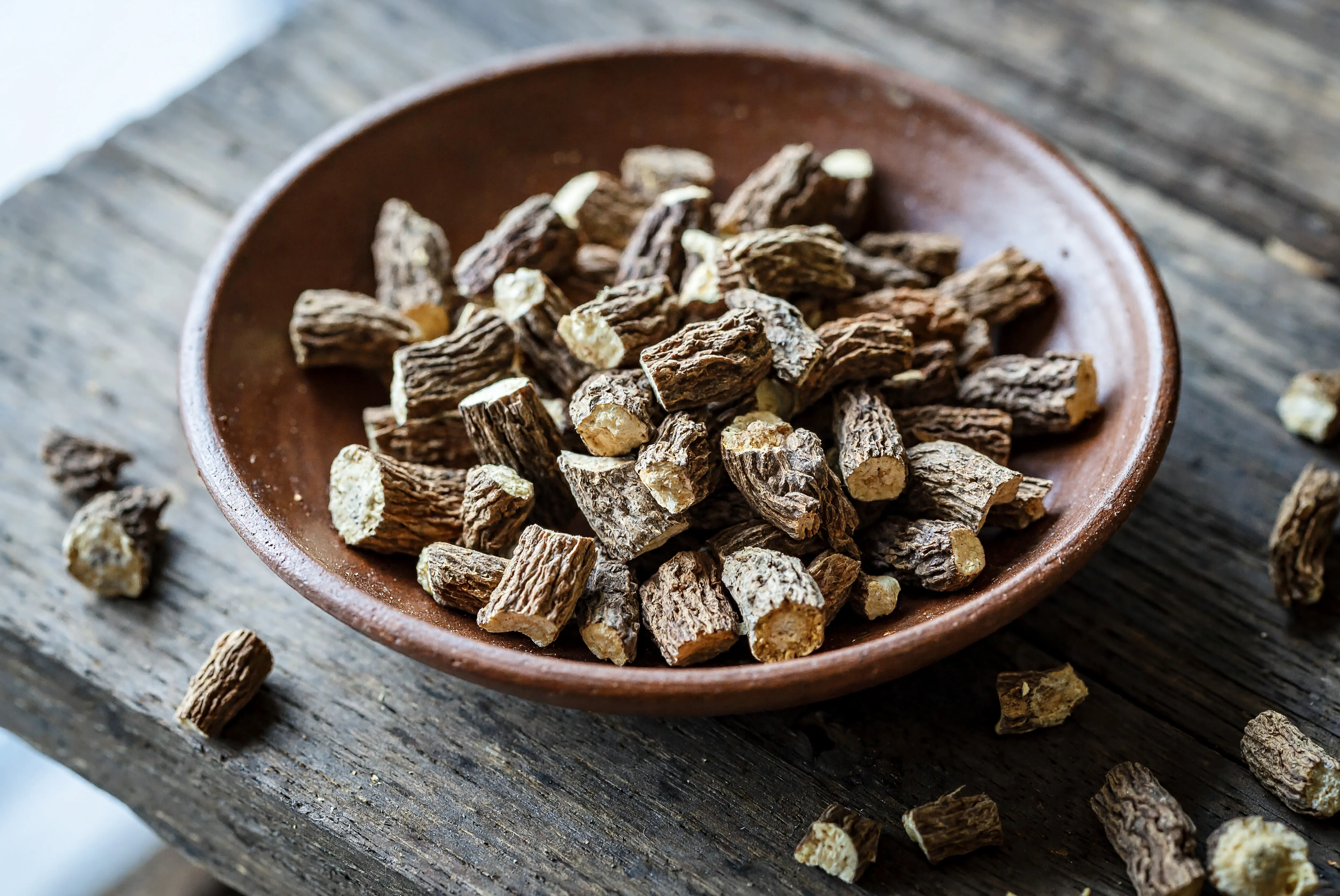
After Yasaka Shrine’s year-end Joya-sai ceremony, Shinto priests light a sacred fire in lanterns on the shrine grounds. Pieces of okera are burned together with okera-gi, wood bearing prayers for health and freedom from illness throughout the year.
Worshippers traditionally transferred this okera-bi, or okera fire, to a fire rope and carried it home. In the past, they used it to kindle the new year’s cooking fire or light a lamp at the household Shinto altar, praying for a healthy year. The custom connected the year-end shrine fire with the new year at home.
Today, the extinguished fire rope is displayed in the kitchen as a charm against fire. That differs from the older practice of bringing the flame home to use. Both belong to the local New Year’s Eve tradition passed down at Yasaka Shrine.
What does Namahage in Oga wish for?
On New Year’s Eve, communities across the Oga Peninsula in Akita Prefecture observe Namahage. Men from each village wear masks and woven straw garments called kede. Carrying deba kitchen knives, they visit the homes of local shrine parishioners with solemn, imposing movements.
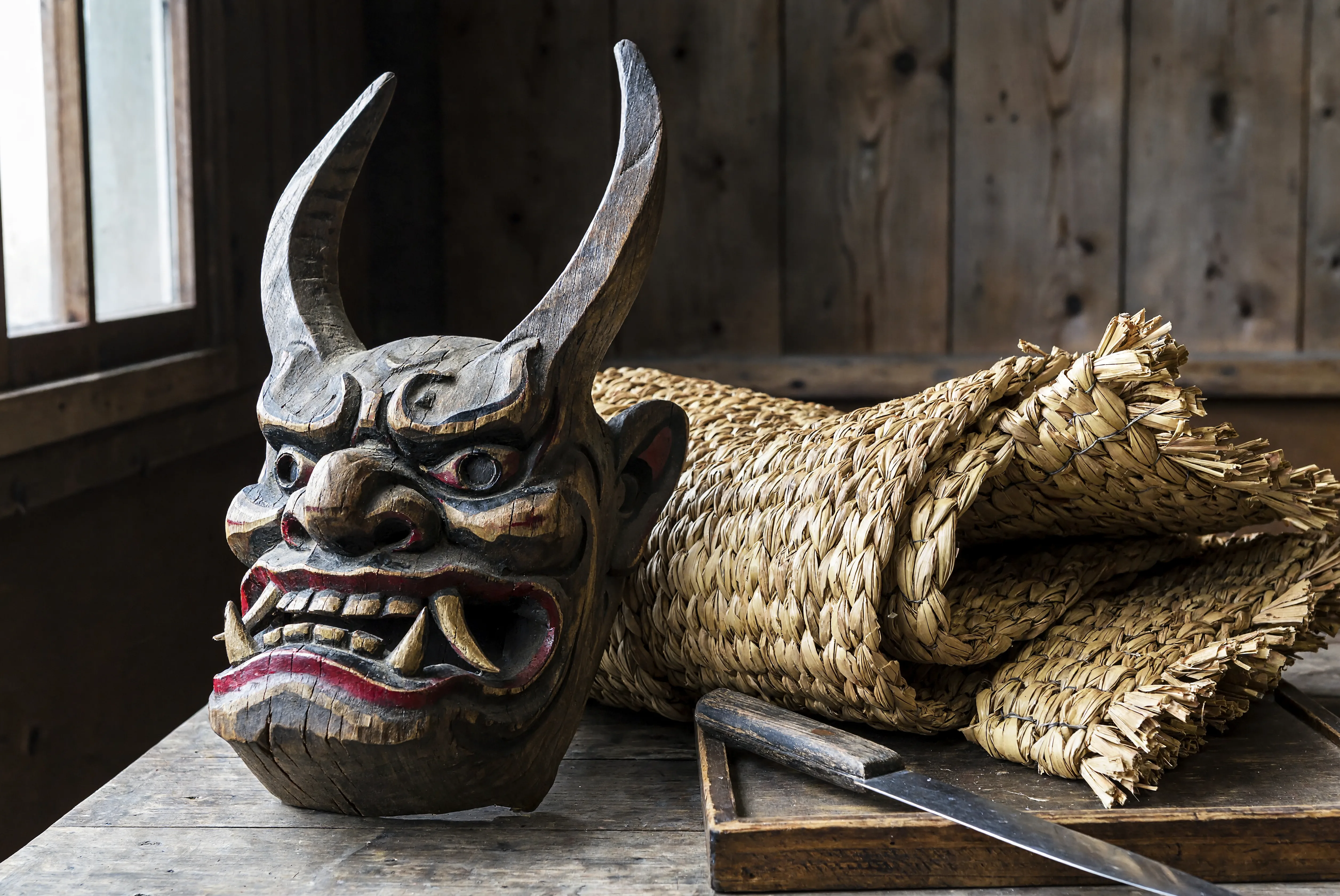
Namahage are welcomed as messengers of the gods who drive away misfortune. They are also believed to bring abundant harvests, plentiful fishing catches, and good fortune. Households receive them with respect as part of this faith-based New Year’s Eve observance in Oga.
The name comes from the phrase namomi o hagu, meaning to peel away namomi. Namomi are heat marks said to develop when someone spends long periods idling beside the hearth. Removing them is also understood as a warning against laziness.
Oga’s Namahage was designated a national Important Intangible Folk Cultural Property in 1978. It is recognized as an expression of Japan’s longstanding folk beliefs.
ClockZone tools
- Countdown timer
- World clock
- Public holidays in Japan
- Time zone converter
- 2026 public holidays in Japan
References
Imej dalam artikel ini dijana oleh AI.